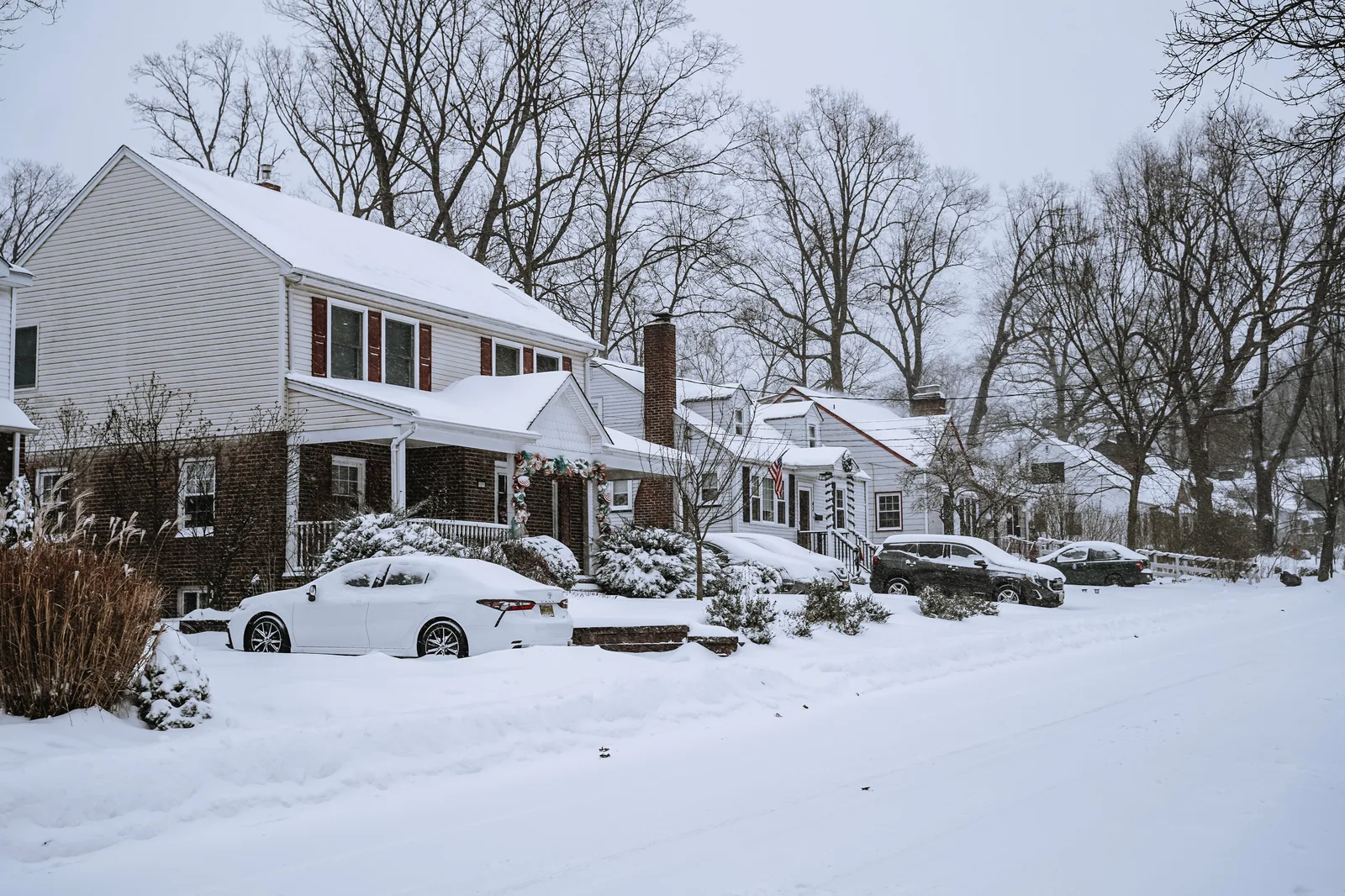
Before a winter storm hits: insulate exposed pipes, know where your main water shutoff is, keep gutters clear so ice dams don’t form, and keep the car’s gas tank at least half full. Fill it before the storm if you can, since a stranded car with an empty tank has no heat option left. Keep a real winter kit in the car all season, not just when a storm’s forecast. If you have to drive anyway, go slow, increase following distance, and turn into a skid rather than away from it. If you get stranded, stay with the car. It’s easier to spot than a person on foot, and know the signs of hypothermia before you need them.
This is the playbook for everything that happens before the power actually goes out. The outage itself, once it happens, is covered start to finish in the Power Outage Guide and the warmth-specific guide. I learned the home-prep half of this the hard way during Uri. A pipe let go over our living room at 2 a.m. on day four, and I was cutting drywall by flashlight because I hadn’t done the fifteen-minute things below beforehand.
This article is for general information and isn’t a substitute for professional medical advice. If you suspect hypothermia or frostbite, seek medical care.
In this guide
Prepping the house before a winter storm hits
Insulate exposed pipes in unheated spaces (garage, crawl space, exterior walls) before the first hard freeze, not during it. Know exactly where your main water shutoff valve is. If a pipe does burst, the difference between a repair and a disaster is how fast you can stop the water. Clear gutters of leaves and debris. Ice dams form when heat escaping through your attic melts snow on the upper roof, which runs down and refreezes at the colder eaves, so a clean gutter helps but good attic insulation is the real fix. Trim any tree branches hanging over the house or driveway; ice-loaded branches break in ways healthy ones don’t.
The car kit that lives in your trunk all winter
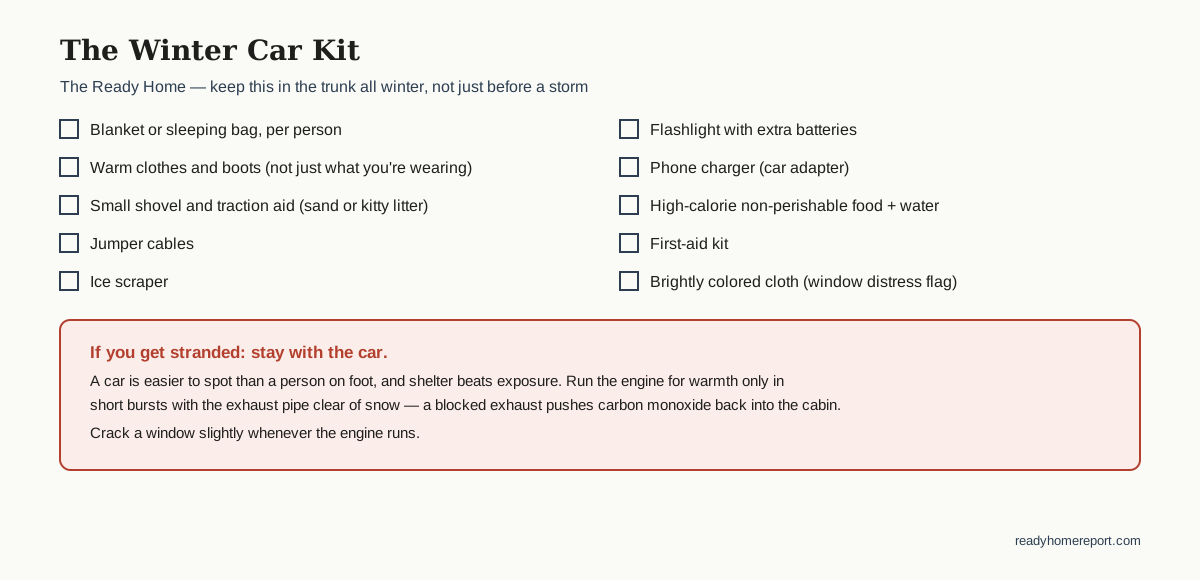
This isn’t a pre-storm errand. It’s gear that stays in the car from first frost to last, because the storm that strands you is rarely the one you saw coming days out. Here’s what belongs in it:
- Blankets and warm clothes
- A small shovel and traction aid (sand or kitty litter)
- Jumper cables and an ice scraper
- A flashlight and phone charger
- High-calorie food and water
- A first-aid kit
If you have to drive anyway
Slow down well beyond what feels necessary. Stopping distance on ice can be far longer than on dry pavement, per NWS guidance. Increase following distance to match. If the rear of the car starts to slide, steer gently into the direction of the skid (turn the wheel the way the back end is sliding) rather than away from it, and avoid sudden braking, which is what turns a slide into a spin.
If you get stranded
Stay with the vehicle. It’s dramatically easier for rescuers to spot a car than a person walking through snow, and the car itself is shelter you’d be giving up for no real gain. Tie a brightly colored cloth to the antenna or door handle to increase visibility. Run the engine for heat in short bursts (about 10 minutes per hour, per Ready.gov) rather than continuously, to conserve fuel and reduce carbon monoxide risk.
Safety Note: hypothermia, frostbite, and the engine
Hypothermia signs: shivering, confusion, slurred speech, fumbling hands, drowsiness. Get the person warm and out of wet clothes, and seek medical care if symptoms are severe. Frostbite signs: white or grayish-yellow skin, numbness, a firm or waxy feel, usually the nose, ears, fingers, or toes; warm the area gradually, never rub it with snow. If you’re running the engine for warmth, check that the exhaust pipe is clear of snow first. A blocked exhaust pushes carbon monoxide back into the cabin. Crack a window slightly whenever the engine is running.
This is one of five Storm Playbooks on this site. If a different risk is more likely where you live, see the hurricane readiness playbook, heat wave readiness, wildfire smoke basics, or tornado basics.
FAQ
What should be in a winter car emergency kit?
Blankets, warm clothes, a small shovel, traction aid, jumper cables, an ice scraper, a flashlight, phone charger, high-calorie food, water, and a first-aid kit, kept in the trunk all winter, not just before a forecast storm.
How do I prepare my house for a winter storm?
Insulate exposed pipes, know your main water shutoff location, clear gutters and improve attic insulation to prevent ice dams, and trim overhanging branches before the first hard freeze.
What are the signs of hypothermia?
Shivering, confusion, slurred speech, fumbling hands, and drowsiness. Get the person warm, remove wet clothing, and seek medical care if symptoms are severe.
What should I do if I get stranded in my car during a snowstorm?
Stay with the vehicle rather than trying to walk for help. Tie a bright cloth to the antenna for visibility, and run the engine for heat in short bursts (about 10 minutes per hour) with the exhaust clear of snow.
How do I prevent pipes from freezing during a winter storm?
Insulate exposed pipes before the freeze hits, keep cabinet doors open under sinks on exterior walls, and let faucets drip slightly on the coldest nights.
For what to do once the power actually goes out, see the Power Outage Guide and How to Stay Warm During a Winter Power Outage.
This article is for general preparedness education and follows official guidance (FEMA, CDC, CPSC, NWS, USDA) on safety points. In any emergency, instructions from local officials always come first.