Heat exhaustion looks like heavy sweating, cold clammy skin, nausea, and dizziness: treatable with shade, water, and cool cloths. Heat stroke is different and dangerous: skin turns hot, red, and dry or damp, confusion sets in. That’s a 911 call, not a home remedy. Before a heat wave, check on elderly neighbors and anyone without reliable AC, never leave anyone or any pet in a parked car for any amount of time, and know where your nearest cooling center is before you need it.
Heat doesn’t get the same instinctive respect as a hurricane or a fire, because it doesn’t look dramatic. It’s also the deadliest weather-related hazard in the US most years, per NWS/CDC data, quietly, mostly among people who had no idea they were in real danger until it was too late to act.
This article is for general information and isn’t a substitute for professional medical advice. If you suspect heat stroke, call 911 immediately.
In this guide
Heat exhaustion vs. heat stroke
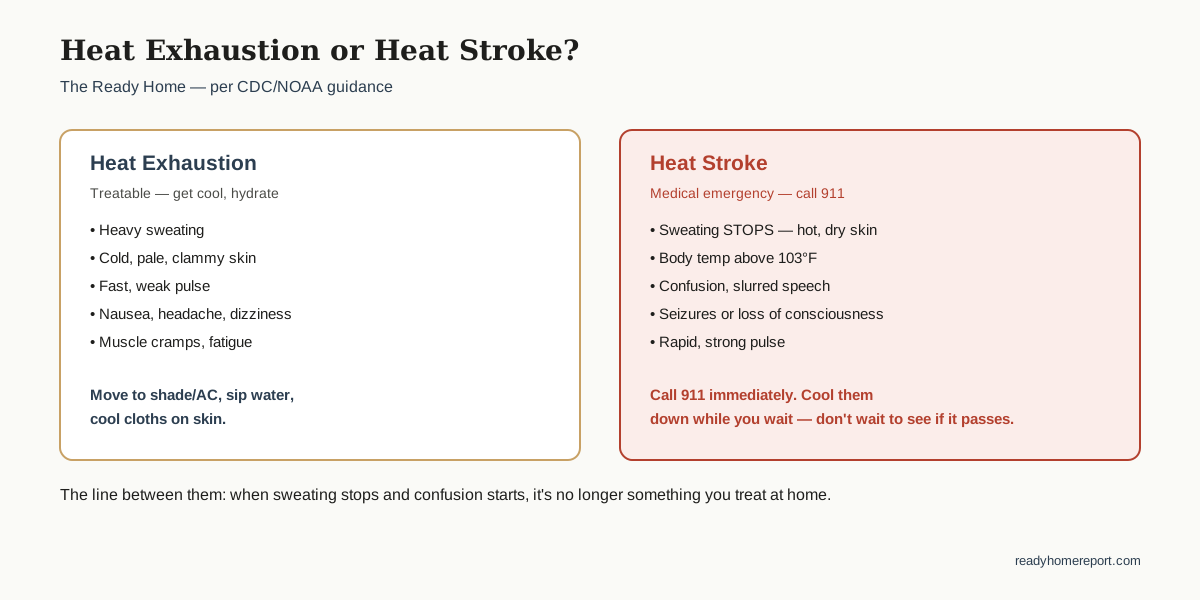
Knowing the difference is the single most useful thing in this entire guide, because the response is completely different:
| Heat exhaustion | Heat stroke | |
|---|---|---|
| Skin | Heavy sweating, cold, clammy | Hot, red, and dry or damp |
| Pulse | Fast, weak | Fast, strong |
| Symptoms | Nausea, dizziness, headache | Confusion, slurred speech, possible loss of consciousness |
| Response | Shade, water, cool cloths | Call 911 immediately, cool aggressively while you wait |
Safety Note: heat stroke is a 911 call, not a wait-and-see
Skin may be hot and dry, or in some cases still damp from physical exertion: the more reliable signs are confusion, a rapid pulse, or loss of consciousness. If someone shows any of these, call 911 immediately and start cooling them (shade, wet cloths, fan) while you wait. Do not wait to see if it passes, and don’t give fluids to someone who’s confused or losing consciousness. They can’t safely swallow, and it risks choking. Heat stroke can cause organ damage or death within minutes of the point where the body stops being able to cool itself.
Before the heat wave hits
Check your AC now, not on the first 100°F day when every HVAC company in town has a two-week backlog. A heat advisory means high heat is possible, an excessive heat warning means it’s imminent or already happening, and either one is the wrong time to discover your AC is dead. Know where your nearest cooling center is. Most counties list them publicly during heat advisories, and libraries and malls work in a pinch even without an official designation. Stock extra water specifically for hot-weather hydration (see the heat-adjusted numbers in the water-per-person guide), and plan strenuous outdoor tasks (yard work, moving, sports) for early morning before the real heat builds.
Who is actually at highest risk
Elderly people living alone top the list by a wide margin. They’re less likely to have working AC, less likely to notice early symptoms in themselves, and more likely to be isolated when something goes wrong. Infants and young children regulate body temperature less efficiently than adults. People on certain medications (some blood pressure and psychiatric medications affect the body’s ability to sweat and cool itself) are at elevated risk without necessarily knowing it. If you have any of these people in your life, a heat wave is when a two-minute check-in call or knock on the door does more good than almost anything else you could spend that time on.
The car rule that should not need saying
Never leave a child, an elderly person, or a pet in a parked car, for any length of time, even with windows cracked. Car interiors heat up fast (well past dangerous levels within about 10 minutes on a hot day), and this specific, entirely preventable scenario kills people every single summer. If you see someone in this situation and can’t locate the owner, most states have Good Samaritan laws that protect people who act to help; call 911 first.
Twenty-plus years managing building HVAC systems taught me more about how heat actually kills than any single hot day ever could. It’s rarely the temperature itself, it’s a body’s cooling system failing quietly while everyone assumes someone’s “just tired.”
This is one of five Storm Playbooks on this site. If a different risk is more likely where you live right now, see the hurricane readiness playbook, winter storm readiness, wildfire smoke basics, or tornado basics.
FAQ
What’s the difference between heat exhaustion and heat stroke?
Heat exhaustion involves heavy sweating and cool clammy skin and is treatable with rest, shade, and hydration. Heat stroke means skin is hot, red, and dry or damp, and confusion or loss of consciousness may occur. It’s a medical emergency requiring 911.
How hot does a car get on a hot day?
Car interiors can reach dangerous temperatures within about 10 minutes, even with windows slightly cracked. Never leave a child, elderly person, or pet in a parked car for any length of time.
Who is most at risk during a heat wave?
Elderly people living alone, infants and young children, and people on certain medications that affect the body’s ability to regulate temperature are at the highest risk.
What should I do if someone shows signs of heat stroke?
Call 911 immediately, then start cooling them with shade, wet cloths, and a fan while waiting for help. Don’t give them anything to drink if they’re confused or losing consciousness, and don’t wait to see if symptoms pass on their own.
How can I prepare for a heat wave before it hits?
Check your AC works, know your nearest cooling center, store extra water, and plan a way to check on elderly or vulnerable neighbors during the worst of it.
For staying cool specifically during a power outage in extreme heat, see How to Stay Cool During a Power Outage Heat Wave.
This article is for general preparedness education and follows official guidance (FEMA, CDC, CPSC, NWS, USDA) on safety points. In any emergency, instructions from local officials always come first.