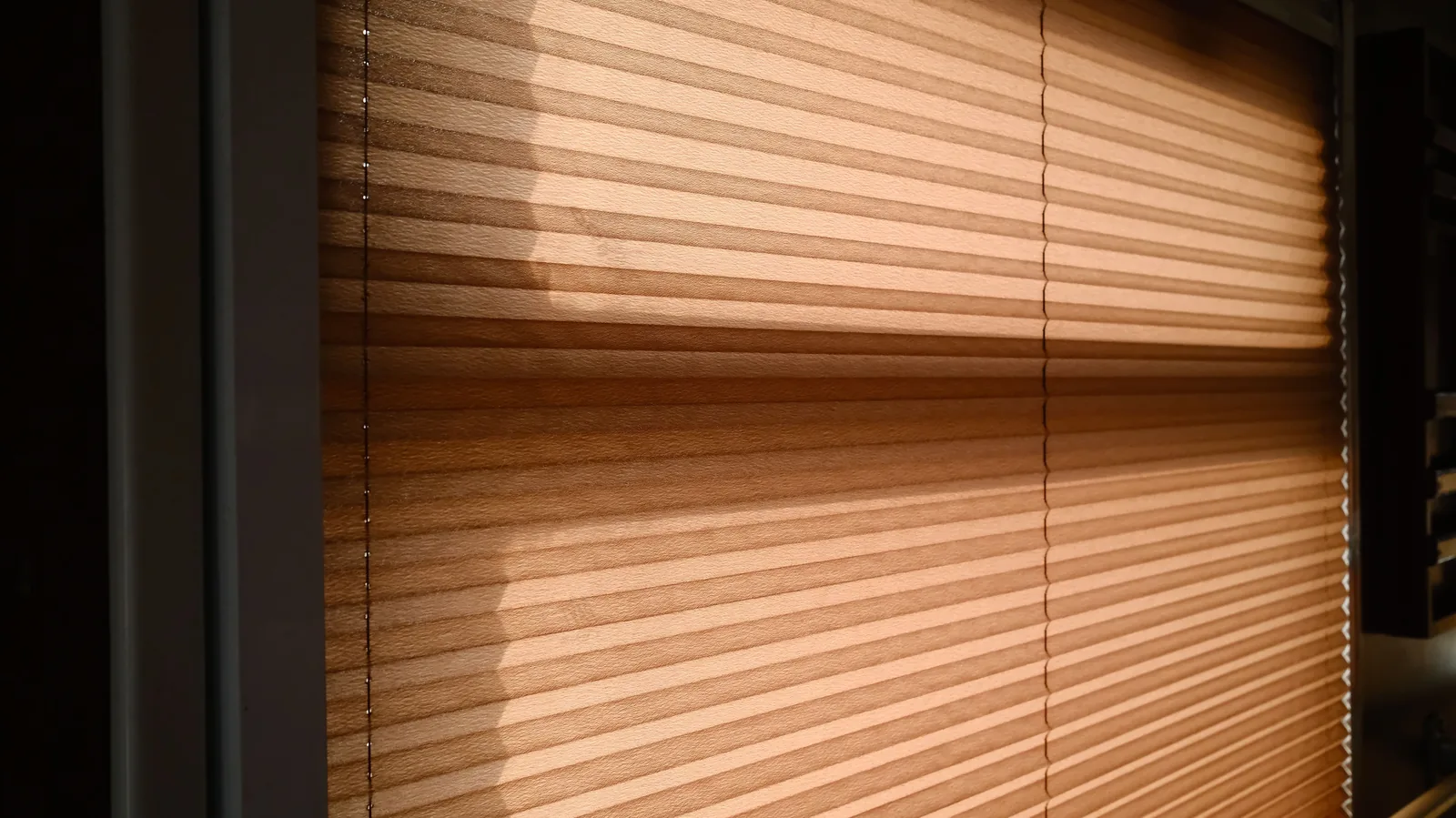
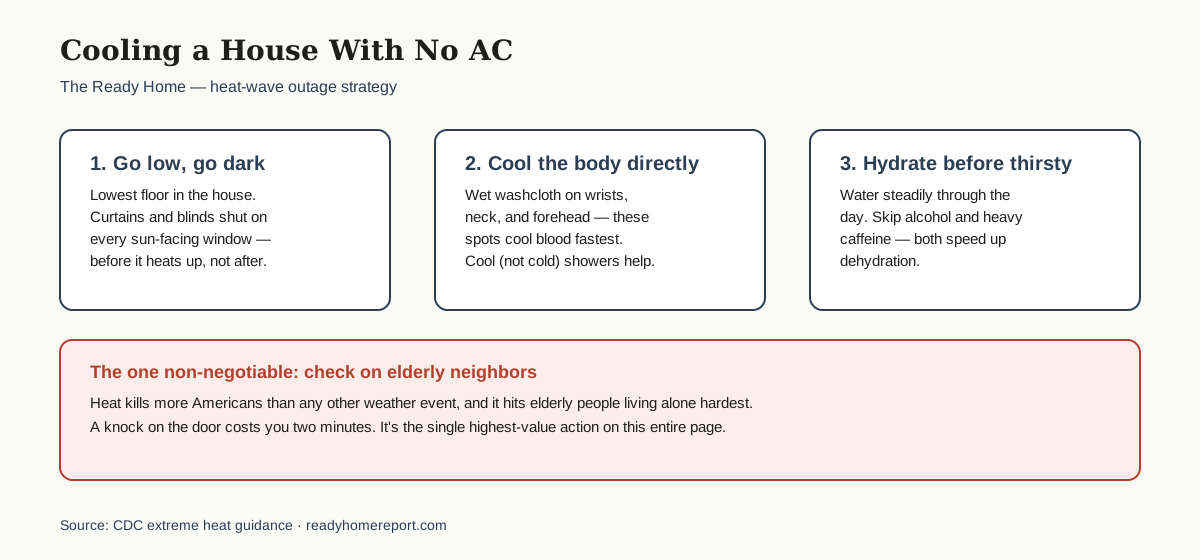
Get to the lowest floor of the house, close every blind and curtain on sun-facing windows before the heat builds (not after), cool your body directly with wet cloths on your wrists and neck, and drink water steadily. Check on elderly neighbors; heat kills more Americans than any other weather event, and it hits people living alone the hardest.
This is the reverse of the winter-outage strategy, and it trips people up because the instinct (seal the house) is exactly wrong in summer. This page is about getting through the outage itself; what you do in the days before the heat arrives, from checking on elderly neighbors to finding your nearest cooling center, is in the heat wave readiness playbook.
In this guide
Reverse the winter logic
In a cold outage you shrink the house and seal it. In a heat-wave outage you do almost the opposite: get low (heat rises, so the ground floor runs coolest), get dark (close blinds and curtains on any window that catches direct sun, ideally before the sun hits them, not after the room’s already baking), and if there’s any breeze at all, create cross-ventilation by opening windows on opposite sides of the house once the sun’s down and outside air is cooler than inside air.
Cooling your body directly
When you can’t cool the room, cool yourself. A wet washcloth on your wrists, neck, and forehead cools blood close to the surface faster than almost anything else you can do without power. Cool (not ice-cold) showers work the same way without the shock to your system. Wear light, loose, breathable clothing, and drink water steadily through the day rather than waiting until you’re thirsty, which is already a sign you’re behind.
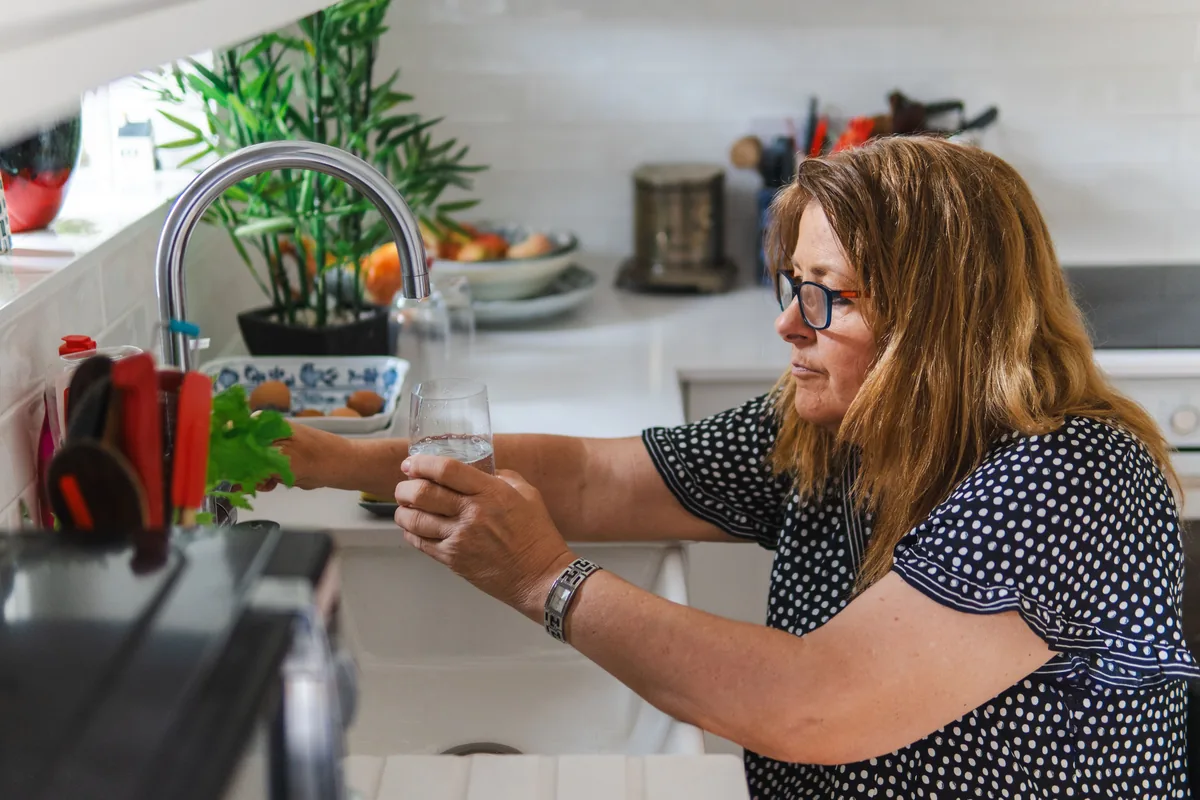
Skip the alcohol and go easy on caffeine. Both actively work against you by speeding up dehydration when your body’s already fighting to stay cool.
Safety Note: heat stroke is a 911 call, not a wait-and-see
Heat exhaustion (heavy sweating, weakness, dizziness, nausea) is treatable with shade, water, and cool cloths. Heat stroke is different: sweating stops, skin goes hot and dry, confusion or loss of consciousness sets in: that’s a 911 call. Cool the person with shade, wet cloths, and a fan while you wait; don’t wait to see if it passes. Per NOAA, heat kills more Americans most years than any other weather event.
The highest-value action on this page
Heat kills more Americans in a typical year than hurricanes, floods, and tornadoes combined, and elderly people living alone are the highest-risk group by a wide margin. They’re less likely to feel or report the early symptoms of heat exhaustion, and more likely to be isolated when it happens. If you have an elderly neighbor, checking on them during a heat-wave outage isn’t a nice gesture, it’s the single most effective thing you can do all day. It costs you two minutes.
When a fan helps, and when it stops helping
Below roughly 90°F, a fan genuinely helps by evaporating sweat off your skin faster. Above that, moving hot air can actually work against you, pushing warm air across your body faster without anything to evaporate effectively. If you have a battery or solar-charged fan and the room is in the low 90s or cooler, use it. Past that point, the wet-cloth and cool-shower approach does more.
FAQ
How do you stay cool during a power outage with no AC?
Get to the lowest floor, close blinds on sun-facing windows before they heat up, cool your body directly with wet cloths on your wrists and neck, and hydrate steadily. Open windows for cross-ventilation only once outside air is cooler than inside.
Is it safe to use a fan during extreme heat?
Below about 90°F, yes: it helps evaporate sweat. Above that, a fan can push hot air across your body without much cooling benefit, so direct cooling methods work better.
What are the signs of heat exhaustion to watch for?
Heavy sweating, weakness, dizziness, nausea, and headache. If someone stops sweating, seems confused, or has a rapid pulse, that’s heat stroke: a medical emergency requiring immediate cooling and professional help.
Why check on elderly neighbors specifically during a heat outage?
Elderly people, especially those living alone, are the highest-risk group for heat-related death. They’re less likely to notice or report symptoms early. A quick check-in is the highest-value thing you can do during a heat-wave outage.
Should I drink cold or room-temperature water in extreme heat?
Either works for hydration. What matters more is drinking steadily throughout the day rather than waiting until you’re thirsty. Avoid alcohol and heavy caffeine, which both speed dehydration.
For the opposite season, see How to Stay Warm During a Winter Power Outage. Full outage plan and the rest of the seasonal playbooks are in the Power Outage Guide.
This article is for general preparedness education and follows official guidance (FEMA, CDC, CPSC, NWS, USDA) on safety points. In any emergency, instructions from local officials always come first.