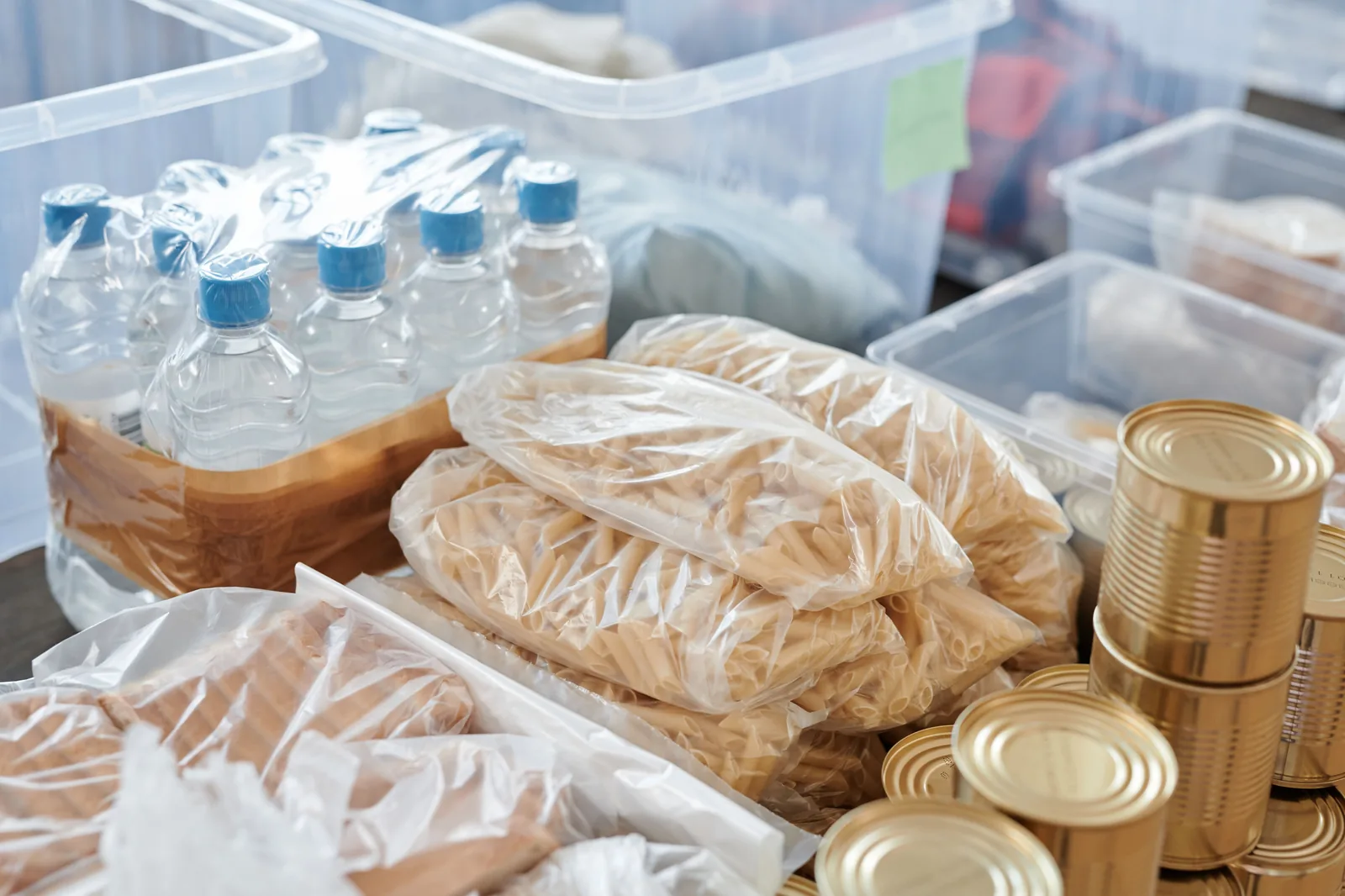
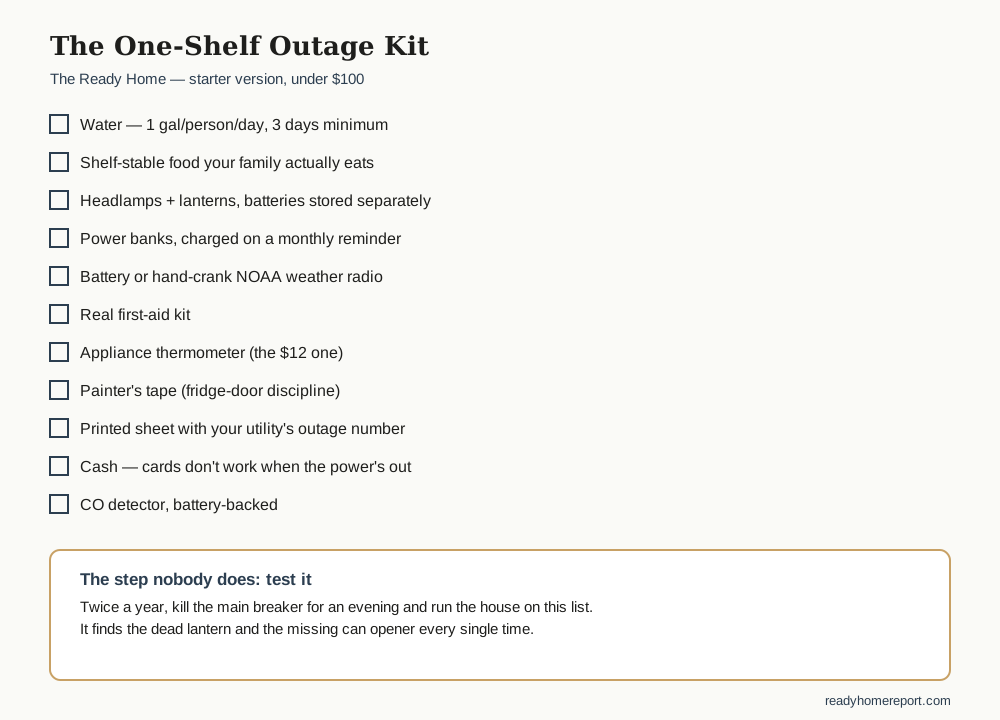
You don’t need a bunker. Our entire outage kit lives on one garage shelf and change, and the starter version costs under $100: water, shelf-stable food, headlamps and lanterns with batteries stored separately, charged power banks, a NOAA weather radio, a real first-aid kit, an appliance thermometer, painter’s tape, a printed sheet with your utility’s number, cash, and a battery-backed CO detector. The full breakdown and why each item earns its spot is below, plus the one step almost nobody actually does.
The list, under $100
This is the exact list taped inside our pantry door, the same one I check twice a year during the Tuesday Drill:
Why these items specifically
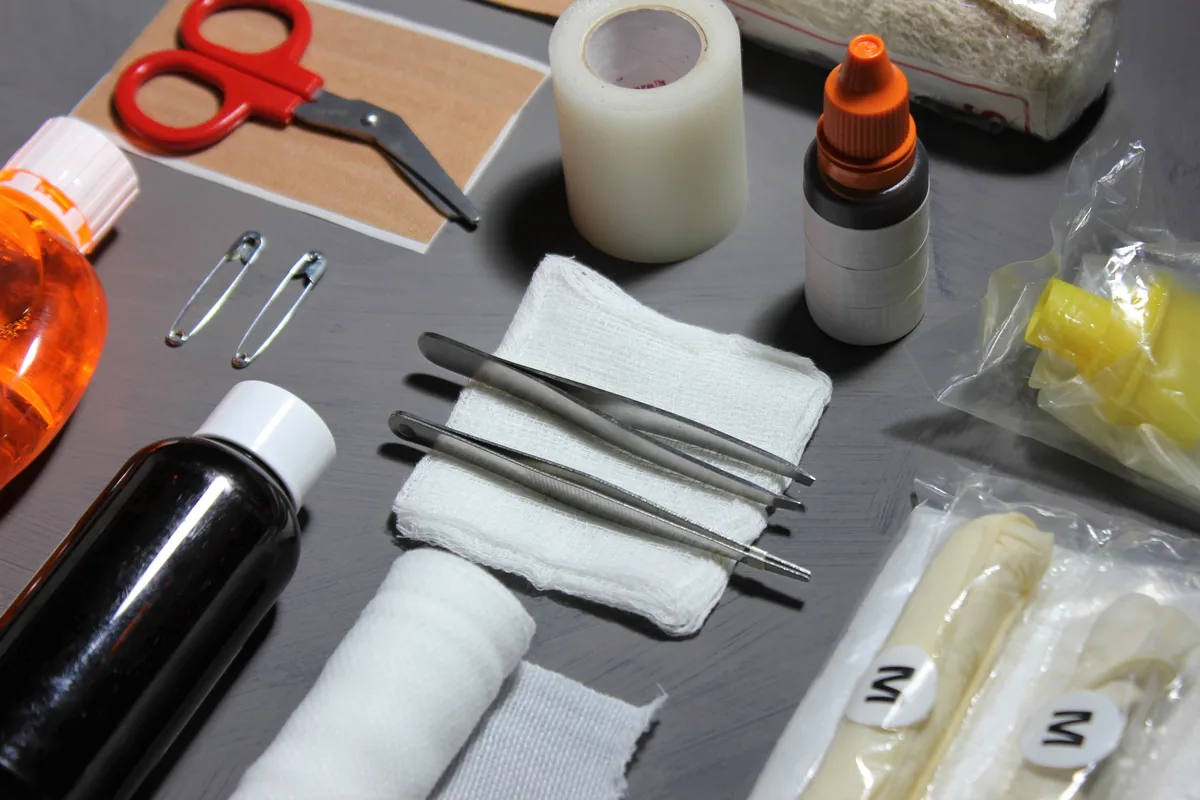
Water and shelf-stable food are the obvious two: 1 gallon per person per day, 3 days minimum, working toward 14. Headlamps beat flashlights because your hands stay free, and storing batteries separately from the devices matters more than it sounds: batteries left inside can corrode terminals over a year of sitting, and you find out at the worst possible moment. Power banks need a charging reminder on an actual calendar, not “I’ll remember”. I didn’t, twice, before I set one.
The appliance thermometer is the cheapest item on the list and does the most work. It’s the difference between guessing whether your fridge is still safe and actually knowing. Painter’s tape sounds strange until you’ve used it as a physical “are you sure?” on the fridge door for two teenagers who don’t believe the clock is really running. Cash matters because card readers don’t work without power, and the gas station three miles out will only take cash when the whole block is dark. A printed utility number beats an app, because a phone at 12% battery is a bad place to start looking for it.
The step nobody does: test it
Twice a year, we kill the main breaker for an evening and run the house entirely on this kit. I call it the Tuesday Drill, the kids call it child abuse, and it finds something every single time. The dead lantern. The missing can opener. The power bank someone quietly borrowed and never returned. A kit you haven’t tested is a kit you don’t actually have; you just have a shelf that looks reassuring until the night it matters.
FAQ
What should be in a basic power outage emergency kit?
Water, shelf-stable food, headlamps and lanterns, charged power banks, a battery radio, first-aid supplies, an appliance thermometer, cash, and a battery-backed CO detector. A starter version costs under $100.
How much water should I store for a power outage?
One gallon per person per day, 3 days as a minimum, building toward 14 days for a genuinely resilient setup.
Do I need a generator in my outage kit?
Not necessarily. For most families starting out, a battery power station or just the basics above cover the majority of short-to-medium outages. See the full power station vs. generator comparison for longer outages.
How often should I check my emergency kit?
Twice a year, actually running the house on it for an evening (main breaker off) rather than just glancing at what’s on the shelf. This is the step that actually finds problems.
Why keep cash in a power outage kit?
Card readers and ATMs don’t work without power, and during a widespread outage, businesses that do stay open often go cash-only.
Full outage plan and generator safety rules are in the Power Outage Guide.
This article is for general preparedness education and follows official guidance (FEMA, CDC, CPSC, NWS, USDA) on safety points. In any emergency, instructions from local officials always come first.