One gallon per person per day is the baseline (half a gallon for drinking, half for cooking and hygiene), per FEMA/Ready.gov guidance. For a family of four, that’s 12 gallons at the 3-day minimum and 56 gallons at the real 14-day target. Add 20-50% more for hot climates, pregnancy, illness, or heavy physical activity, and don’t forget water for the dog.
I ran this math wrong for years. I pictured “a few bottles of water” when I thought about storage, not the actual gallon count a real household needs. Running the numbers once, honestly, is what got our garage shelf from “a few bottles” to “actually enough.”
In this guide
The number by household size
Multiply straight across: gallons per person times household size times days. It sounds obvious written out, and it’s still the step almost everyone skips, which is how so many households end up with three days of food and four bottles of water.
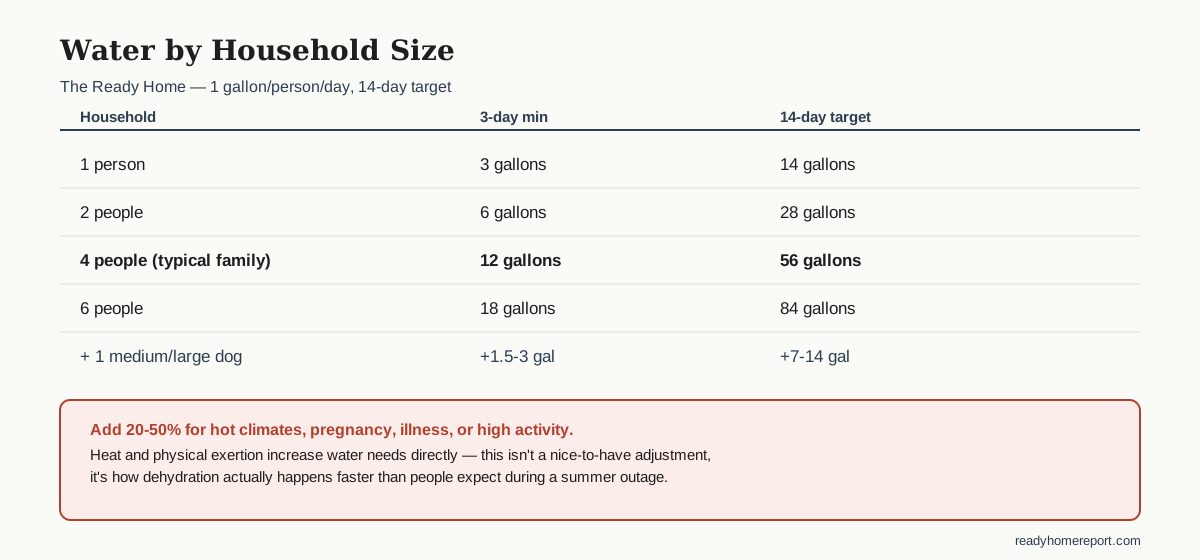
| Household size | 3-day minimum | 14-day target |
|---|---|---|
| 1 person | 3 gallons | 14 gallons |
| 2 people | 6 gallons | 28 gallons |
| 3 people | 9 gallons | 42 gallons |
| 4 people | 12 gallons | 56 gallons |
| 5 people | 15 gallons | 70 gallons |
| 6 people | 18 gallons | 84 gallons |
When you need more than the baseline
The 1-gallon baseline assumes normal conditions and a normally active adult. It goes up (not as a nice-to-have buffer, but as an actual physiological need) for pregnant or nursing household members, anyone sick or recovering, kids (who dehydrate faster relative to body size than adults), and anyone in a hot climate or doing heavy physical activity during the outage itself, like clearing storm debris in July. Plan for 20-50% more water in any of those situations. This is exactly the same logic as the heat-wave outage guide: your body’s water need doesn’t pause because the grid did.
If you’re pregnant, nursing, managing a chronic illness, or caring for young children, talk to your doctor about how much extra water your specific household actually needs. The 20-50% adjustment is a reasonable general rule, not a substitute for medical guidance for a higher-risk household.
Don’t forget the dog
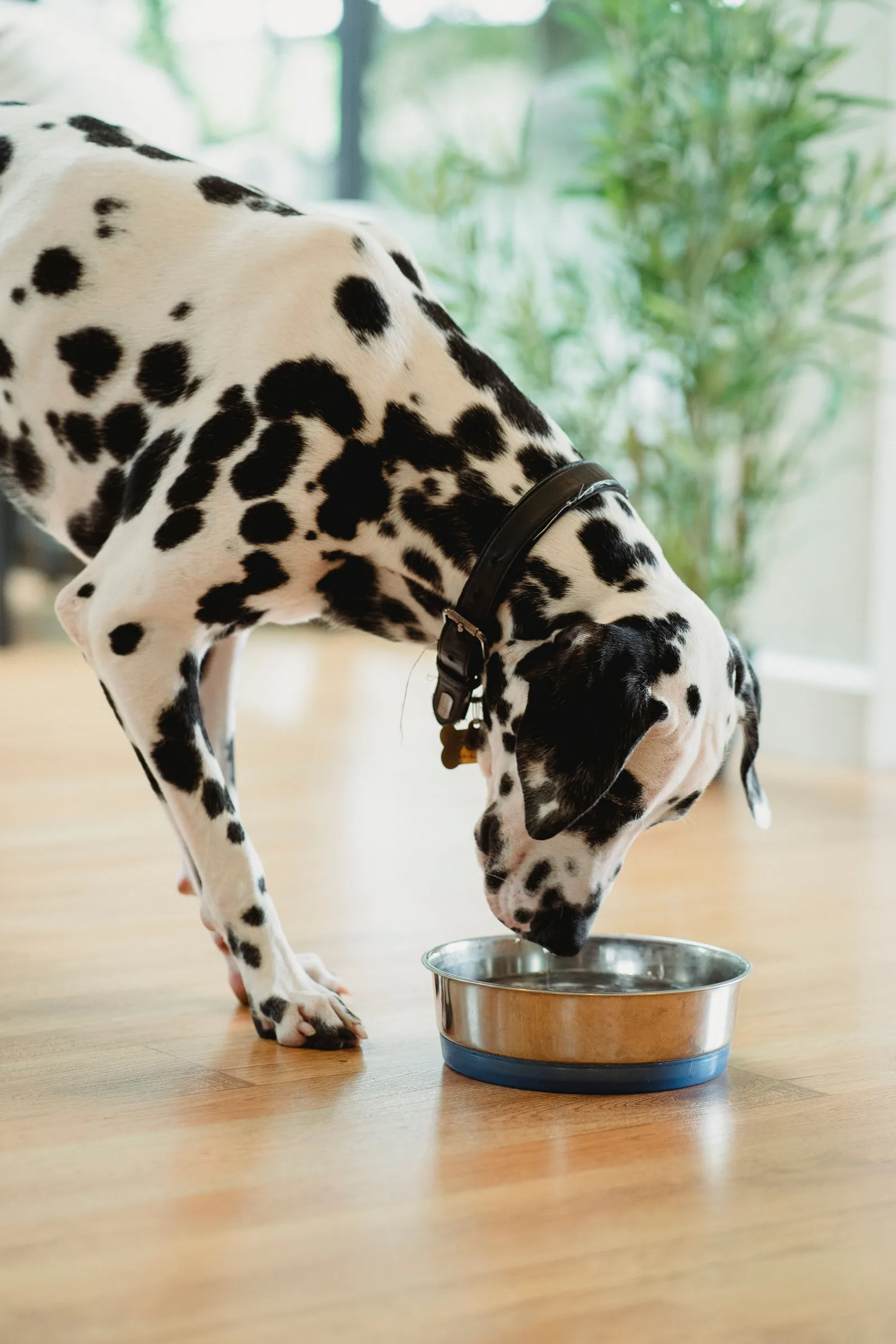
Pets need water too, and it’s the line item people forget until the kit is already built. The standard veterinary guideline is roughly 1 ounce of water per pound of body weight per day: a 50-pound dog needs around 50 ounces, a little over 0.4 gallons a day; a cat needs meaningfully less, more like 4-8 ounces. Biscuit, our lab mix, is about 65 pounds and goes through roughly half a gallon on a normal day, more when it’s hot. Factor your actual animals in by their real weight, not a flat guess.
FAQ
How much water do I need per person per day?
One gallon: half a gallon for drinking, half for cooking and hygiene. This is the FEMA/Ready.gov baseline for normal conditions.
How much water should a family of four store?
12 gallons for a 3-day minimum, 56 gallons for the realistic 14-day target: 4 people times 1 gallon times 14 days.
Do I need more water in hot weather?
Yes. Add roughly 20-50% to the baseline for hot climates, heavy physical activity, pregnancy, or illness, since your body’s actual water need increases in those conditions.
How much water does a dog need per day?
Roughly 1 ounce per pound of body weight per day, per standard veterinary guidance. About half a gallon for a 60-70 pound dog, less for smaller breeds.
Is one gallon per day really enough?
It’s the standard safety baseline, not a generous cushion. In genuinely hot conditions or with heavy exertion, real consumption can run higher. Build in the adjustment rather than treating one gallon as a hard ceiling.
Full water storage system (containers, location, treatment) is in How to Store Water at Home. If your water source itself is ever in question rather than just the amount, see boil water advisories explained.
This article is for general preparedness education and follows official guidance (FEMA, CDC, CPSC, NWS, USDA) on safety points. In any emergency, instructions from local officials always come first.