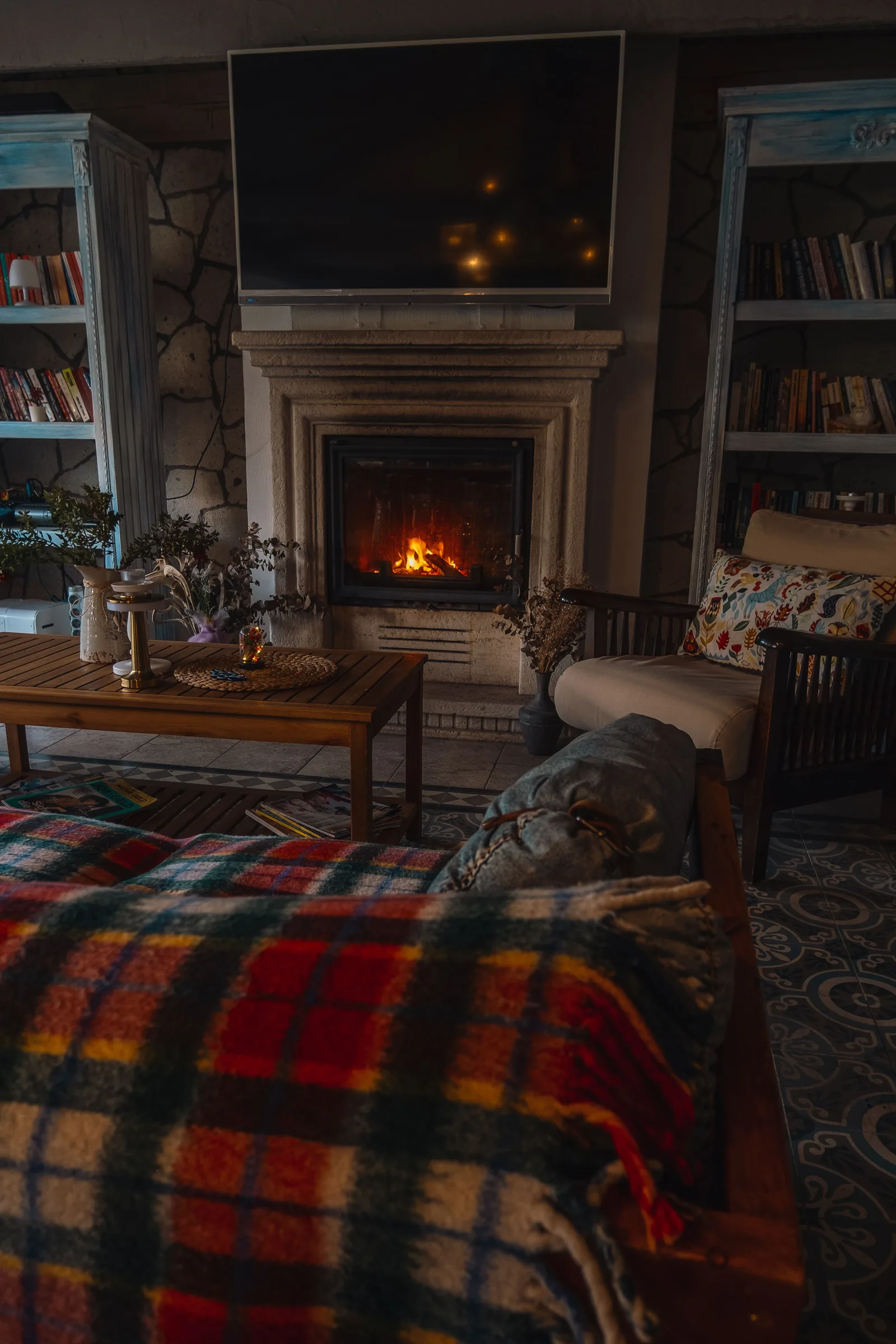
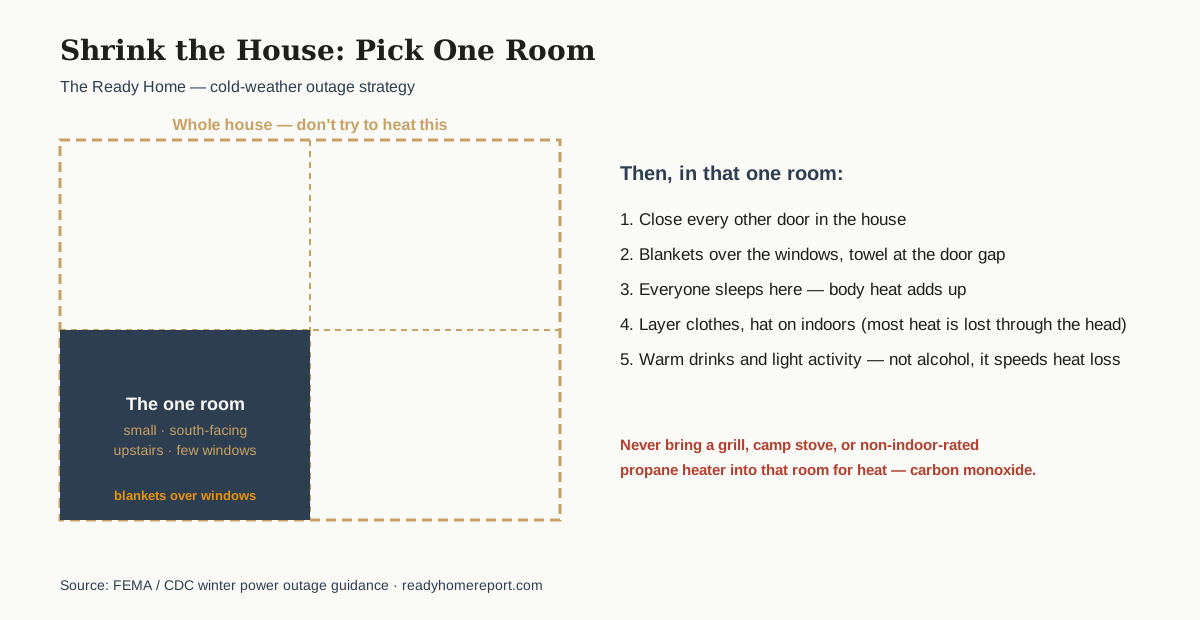
Pick one small room (ideally south-facing, upstairs, with few windows), close every other door in the house, and put the whole family in it. Layer clothing, wear a hat indoors, hang blankets over the windows, and never bring a grill, camp stove, or non-indoor-rated propane heater inside for heat. That’s the whole strategy. Here’s how to actually run it.
During Winter Storm Uri, our living room hit 41°F on day two. The one bedroom we sealed off and shared held around 55°F the whole rest of the outage. Same house, same lack of power, 14 degrees of difference just from picking the right room and committing to it.
In this guide
Shrink the house: pick one room
You cannot heat a whole house with body heat and blankets, so stop trying. Pick the smallest room that makes sense. South-facing catches what sun there is, upstairs beats downstairs because heat rises, and fewer windows means fewer places for warmth to leak out. Close every other door in the house. This isn’t about comfort in the other rooms; it’s about concentrating what little heat you have into one space you can actually hold.
Layering that actually works
Per CDC guidance on hypothermia, base layer, insulating layer, and something wind-resistant on top if the room is drafty. The same logic as dressing for outside, because without heat, inside starts to behave like outside. Wear a hat indoors; a surprising amount of heat is lost through your head, and it’s the easiest fix nobody bothers with. Warm, sweet drinks and broth help more than most people expect. They raise your core temperature from the inside, while alcohol and caffeine both work against you by pulling blood away from your core.
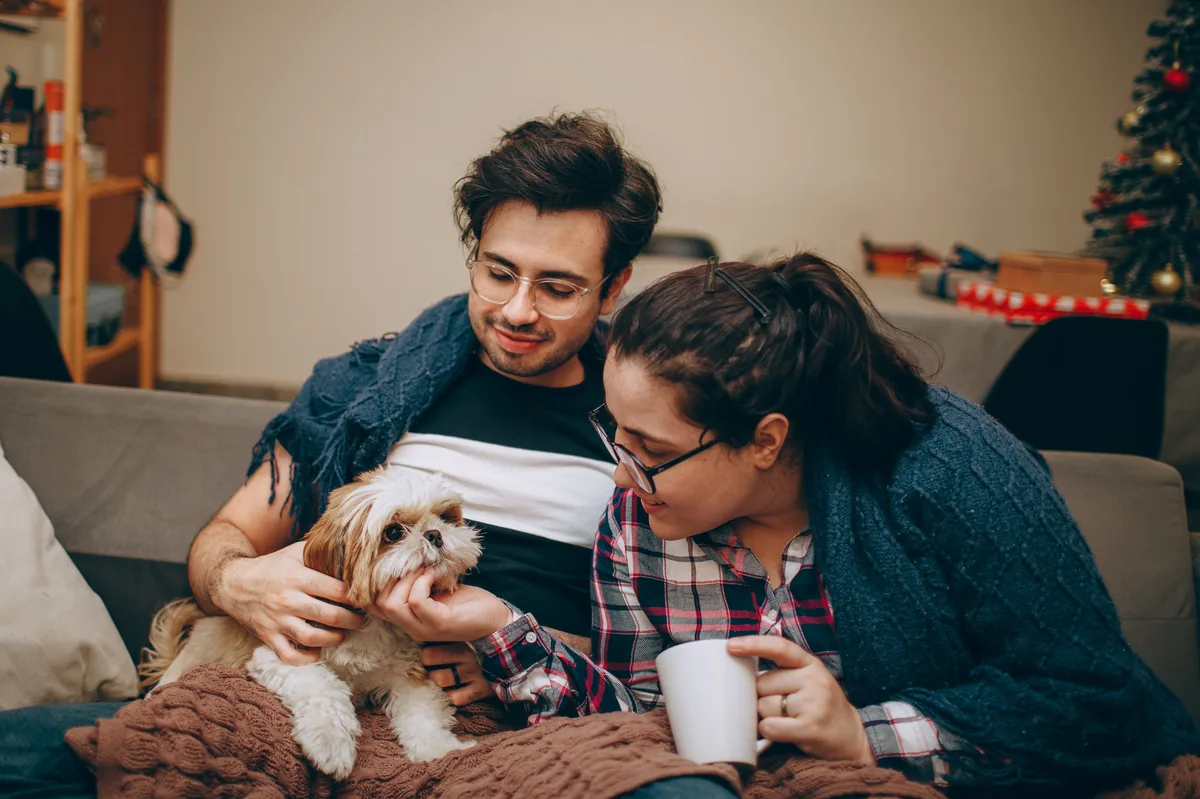
Light activity helps too. Folding laundry, walking the stairs, anything that gets blood moving generates real heat. It’s not glamorous, but it works, and it beats sitting still getting colder.
What you can safely bring in for heat, and what you can’t
A fireplace or wood stove that’s up to code, with dry seasoned wood, is a legitimate and safe heat source: that’s what it’s built for. Everything that burns fuel and wasn’t designed for indoor use is not, no matter how cold it gets.
Safety Note: heat sources that kill people every winter
Never bring a grill, camp stove, or any propane heater not explicitly rated for indoor use inside for warmth. This is how carbon monoxide deaths happen every single winter storm. The gas is odorless and invisible. If you use an indoor-rated propane heater, it needs the indoor-safe label, a cracked window, and a working CO detector, full stop.
I know the instinct in an actual cold room at 2 a.m. It’s still a bad trade. Every single winter, this exact decision (a grill or a generator brought inside “just for a little while”) kills people who had no other warning that anything was wrong.
Keeping pipes from bursting while you’re at it
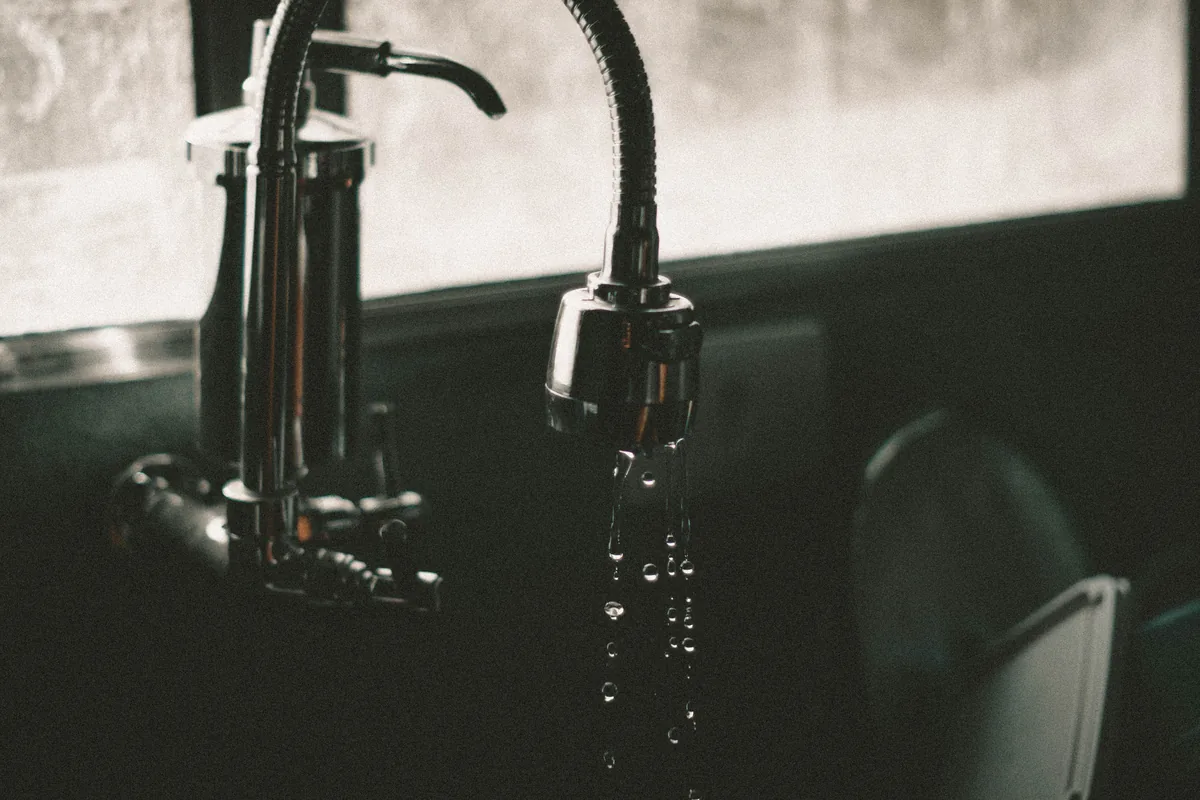
While you’re sealing off the one warm room, open cabinet doors under sinks on exterior walls so home warmth (however little there is) can reach the pipes, and let faucets drip slightly on the coldest nights. Moving water resists freezing better than still water. This is a five-minute task that can save you the exact 2 a.m.-on-a-ladder experience I had during Uri.
FAQ
How do you stay warm in a house with no power in winter?
Shrink to one small, well-insulated room, close off the rest of the house, layer clothing including a hat, and use only indoor-safe heat sources like a code-compliant fireplace. Never bring outdoor fuel-burning equipment inside.
Is it safe to use a propane heater indoors during a power outage?
Only if it’s explicitly labeled for indoor use, and even then it needs a cracked window and a working carbon monoxide detector. Standard outdoor propane heaters and camp stoves are never safe indoors.
What’s the warmest room to pick during a power outage?
A small, south-facing room with few windows, ideally upstairs since heat rises. Fewer surfaces means less heat lost to the cold outside.
Does drinking alcohol help you stay warm?
No. It feels warming but actually pulls blood away from your core and speeds heat loss. Warm, sweet, non-alcoholic drinks help more.
How do I keep pipes from freezing during a power outage?
Open cabinet doors under sinks on exterior walls and let faucets drip slightly on the coldest nights. Moving water resists freezing better than still water sitting in a pipe.
For the reverse problem (staying cool instead of warm) see How to Stay Cool During a Power Outage Heat Wave. Full generator-specific safety rules, including why the same carbon monoxide risk applies to propane heaters, are in Generator Safety and Carbon Monoxide. Full outage plan, food safety numbers, and generator safety rules are in the Power Outage Guide.
This article is for general preparedness education and follows official guidance (FEMA, CDC, CPSC, NWS, USDA) on safety points. In any emergency, instructions from local officials always come first.