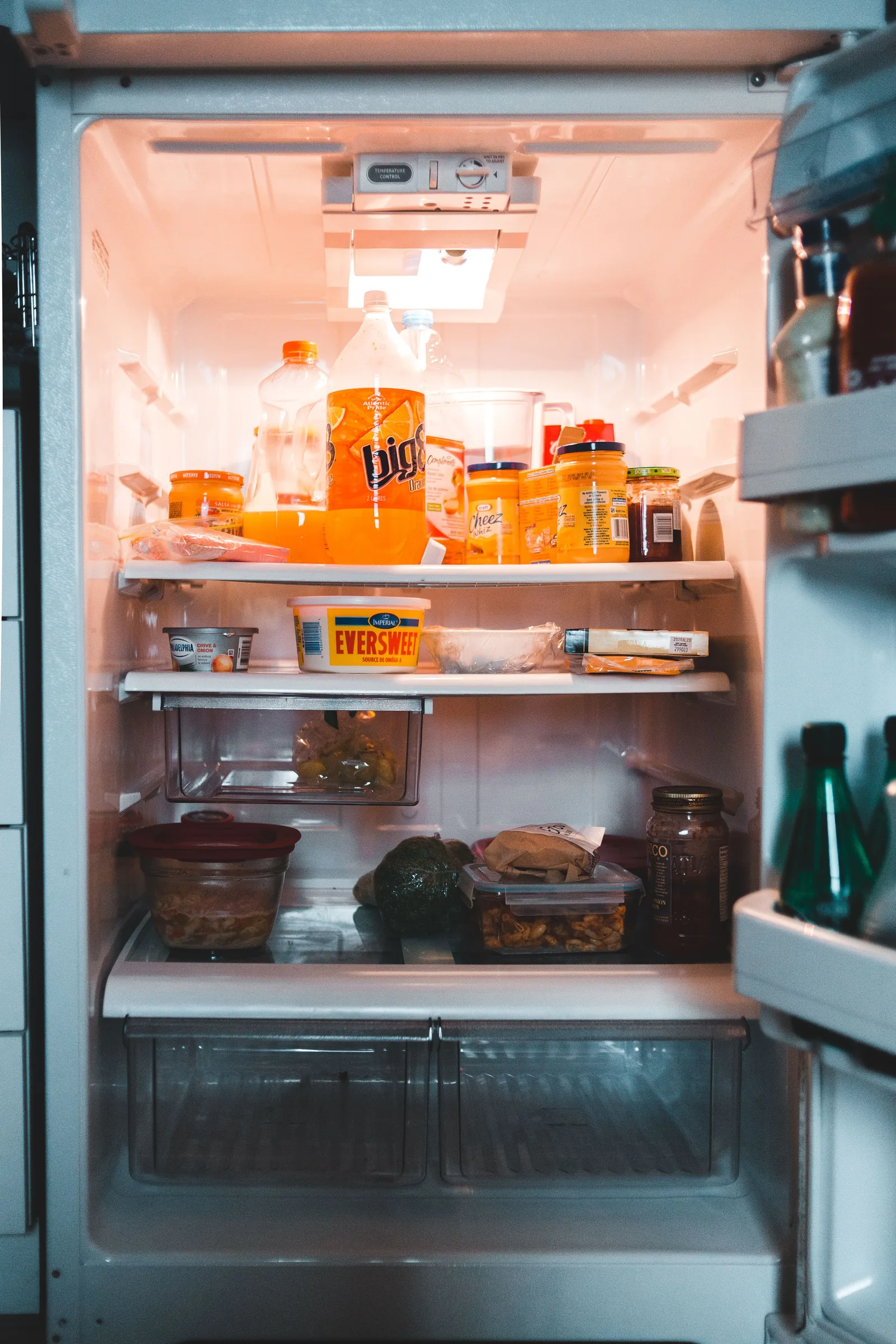
A closed refrigerator keeps food safe for about 4 hours. A full freezer holds about 48, 24 if it’s half full. Past that, the rule isn’t your nose, it’s the clock and a thermometer: anything that sat above 40°F for more than 2 hours gets thrown out, no tasting, no exceptions.
That’s the number everyone needs in the first ten seconds. Here’s the rest: what actually survives, what doesn’t, and the tricks that buy you real time, from someone who’s run this experiment for real, not just read the pamphlet.
In this guide
Why 4 hours and 48 hours, and why those numbers are conservative
The 4-hour fridge number and the 48-hour full-freezer number both come straight from USDA guidance, and I’ve verified them in my own kitchen more than once with a $12 appliance thermometer. Not the one built into the door, an actual thermometer sitting on the middle shelf. During Uri, our fridge held right around 40°F for just over 4 hours before I saw it creep past. The freezer, which was completely full going into the outage, held below 32°F for closer to 50 hours. Full beats half-full because the frozen mass itself acts as thermal ballast: ice holds cold longer than air does. That’s not a tip, that’s just physics working in your favor for once.
The number that trips people up is the “2 hours above 40°F” rule, because it’s cumulative, not a single event. If your fridge crept up during a 3-hour outage, came back for an hour, then went out again for another 2 hours, that’s more than 2 hours above the line even though no single stretch felt long. Track total time, not just the current outage.
Food by food: what to toss and what’s usually fine
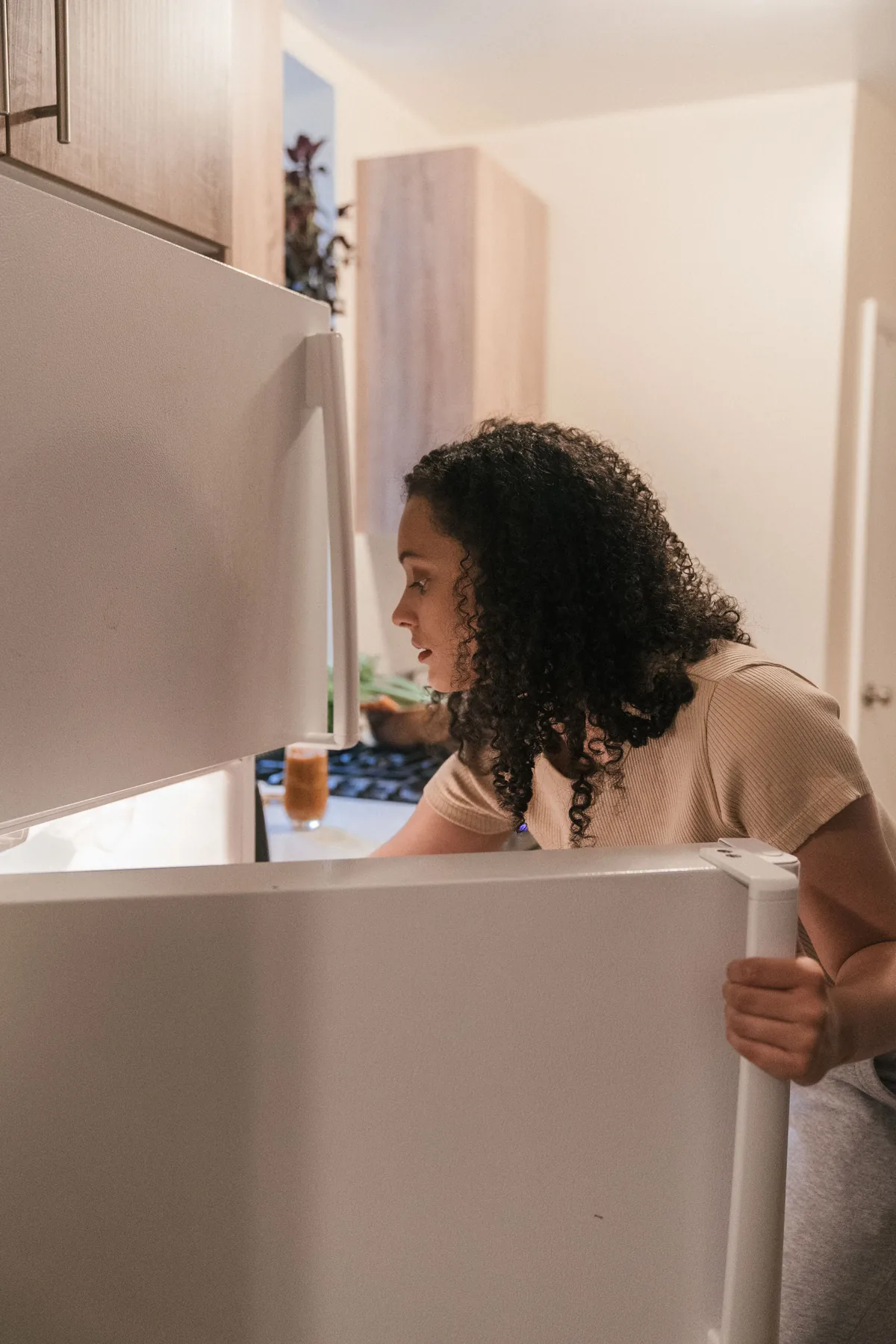
I keep this list taped inside the pantry door now, because arguing about it at 11pm with a flashlight is worse than just checking. Here’s the fast version first, item by item:
| Item | Safe without power |
|---|---|
| Refrigerator, closed door | About 4 hours |
| Freezer, full | About 48 hours |
| Freezer, half full | About 24 hours |
| Milk and other dairy | 4 hours, same fridge rule, no exception |
| Meat, poultry, fish | 4 hours |
| Eggs | 4 hours |
| Cooked leftovers | 4 hours |
| Frozen meat or other frozen food | Follows the freezer rule (24-48h). Once thawed and above 40°F for 2+ hours, it follows the 4-hour fridge rule instead |
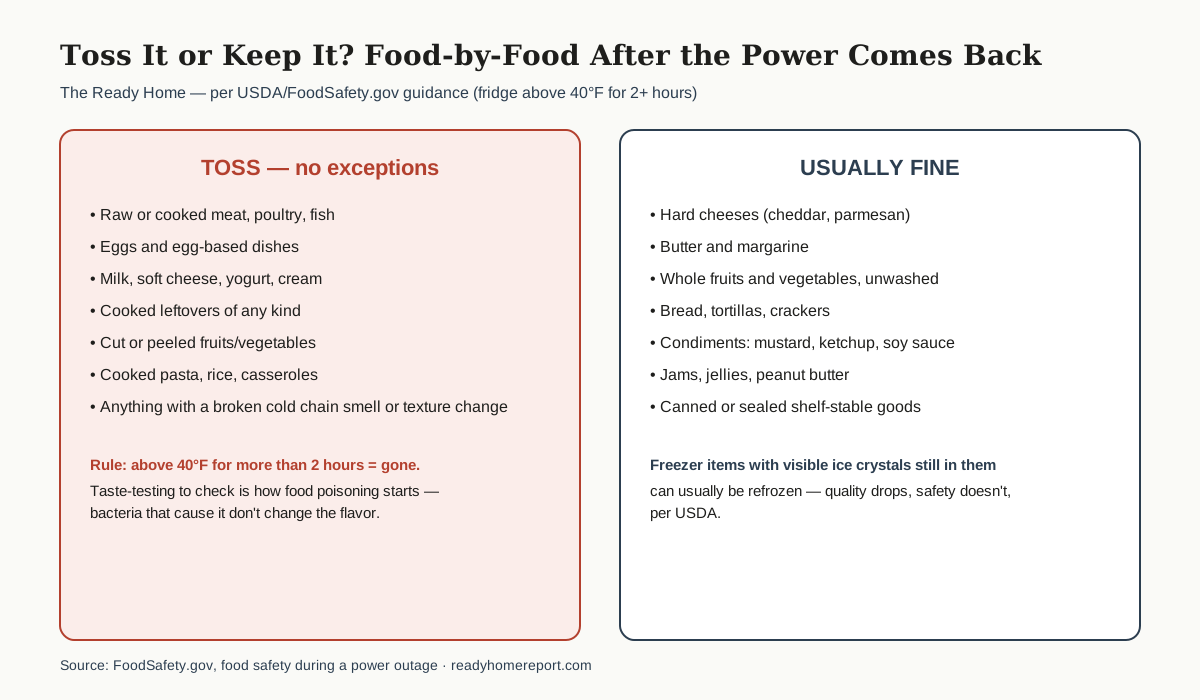
Safety Note: always toss, no exceptions
Raw or cooked meat, poultry, and fish; eggs and anything made with them; milk, soft cheese, yogurt, and cream; all cooked leftovers; cut or peeled produce; and cooked grains or pasta dishes. After 2+ hours above 40°F, all of it goes. Bacteria that cause food poisoning don’t change how food smells or tastes, so “it still smells fine” is not a safety test. This is USDA/FoodSafety.gov guidance, not a house rule.
Usually fine, warm-fridge or not: hard cheeses like cheddar and parmesan, butter, whole unwashed fruits and vegetables, bread and tortillas, condiments like mustard and soy sauce, jams and peanut butter, and anything shelf-stable and sealed. These either have too little moisture for bacteria to thrive or were never relying on refrigeration for safety in the first place. The fridge just kept them fresher, longer.
Milk, specifically
Milk doesn’t get a longer clock just because it’s sealed. It follows the exact same 4-hour fridge rule as everything else perishable. If it sat above 40°F for 2 or more hours total, pour it out, even if it still smells fine and the carton’s still cold to the touch. The one exception: unopened shelf-stable/UHT milk (the boxed kind that lives in the pantry, not the fridge, until opened) isn’t affected by a power outage at all until you open it.
Frozen food, specifically
Frozen meat, vegetables, and prepared meals follow the freezer rule, not the fridge rule. About 48 hours in a full freezer, 24 in a half-full one, as long as the door stayed shut. The moment frozen food fully thaws and its temperature climbs above 40°F, it switches over to the fridge rule: 2 hours max before it has to go. Partial thaw with ice crystals still present is fine to refreeze or cook per USDA guidance. It’s full thaw plus time above 40°F that’s the problem.
The tricks that actually buy you time
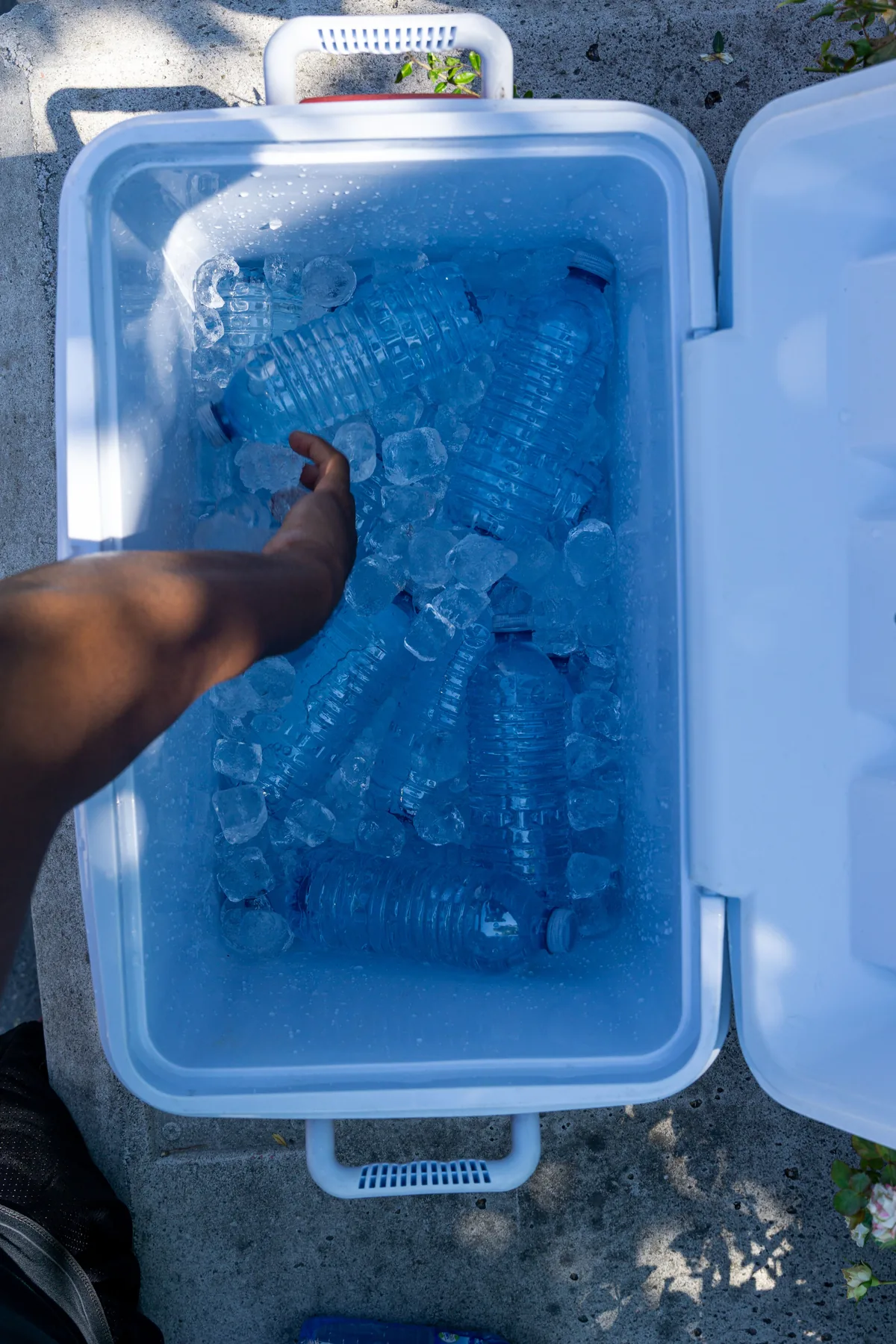
Freeze water in gallon jugs before a known event (a hurricane on the forecast, a winter storm watch) and pack them into the freezer and fridge. A frozen gallon jug does two jobs: it’s thermal mass that holds cold far longer than empty air, and once it’s melted, it’s drinking water. I keep three in our chest freezer year-round for exactly this reason. They cost nothing and they’re never wasted.
If the outage is going past the 4-hour fridge window, move the truly perishable items (meat, dairy, leftovers) into a cooler packed with ice. A $30 cooler and a bag of ice from a gas station (buy it before the storm, not after: shelves empty fast) can stretch your safe window by another day. This is the move that actually matters if you’re facing a multi-day outage rather than a quick blip.
How to tell if your freezer stayed cold while you were gone
This is the one I actually use, and it costs nothing: before you leave for an extended trip during hurricane or winter storm season, freeze a cup of water solid, then set a quarter on top of the ice. If you come home and the quarter is still sitting on top, the freezer never thawed. If it’s sunk down into the ice (even partway), the freezer thawed and refroze while you were gone, which means everything in it needs the same “when in doubt, toss it” treatment as a fridge that sat warm for hours. A facilities guy would call this a passive sensor. It’s a quarter and a cup of water.
After the power’s back: the walk-through
Run the actual thermometer check before anyone opens the fridge to grab a snack. Don’t trust the built-in display, which can read fine even after a warm stretch because it’s measuring air temperature at the sensor, not the actual food. Check the coldest-looking items first: milk, deli meat, leftovers. When in doubt, it goes. I know it feels wasteful to throw out food during a week that’s already been expensive. Food poisoning on top of a power outage is a worse week.
FAQ
How long does food last in the fridge during a power outage?
About 4 hours in a closed refrigerator. Every time the door opens, that clock effectively resets a little, so keep it shut as much as possible.
How long does a freezer keep food safe without power?
About 48 hours if it’s full, about 24 hours if it’s half full. A chest freezer holds longer than an upright, because cold air sinks and stays put.
How long does milk last in the fridge without power?
About 4 hours. Milk follows the same rule as every other perishable, no special treatment. Discard it if it sat above 40°F for 2 or more hours, even if it still smells and looks fine.
How long does frozen food last without power?
About 48 hours in a full freezer, 24 in a half-full one. Once it fully thaws and climbs above 40°F, it switches to the 4-hour fridge rule. Partial thaw with ice crystals still present is fine.
Is it safe to eat food after a power outage if it still feels cold?
Cold to the touch isn’t the test: time above 40°F is. If perishable food sat above 40°F for more than 2 hours total, discard it even if it still feels cool.
What food should I throw away after a power outage?
Meat, poultry, fish, eggs, dairy, cooked leftovers, and cut produce that spent more than 2 hours above 40°F. Hard cheese, butter, whole produce, and shelf-stable sealed goods are usually fine.
Can I refreeze food that partially thawed?
Yes, if it still has ice crystals or reads 40°F or below. Quality may drop, but it’s safe per USDA guidance. If it’s fully thawed and warm, treat it like refrigerated food: the same 2-hour-above-40°F rule applies.
If anyone in the house depends on refrigerated medication, the same 4-hour clock applies. See Phones, Light, and Medical Devices During a Power Outage for the full plan. For building a pantry that survives longer outages without relying on the fridge at all, see The 14-Day Pantry. Full outage plan, generator safety, and the rest of the checklist live in the Power Outage Guide.
This article is for general preparedness education and follows official guidance (FEMA, CDC, CPSC, NWS, USDA) on safety points. In any emergency, instructions from local officials always come first.