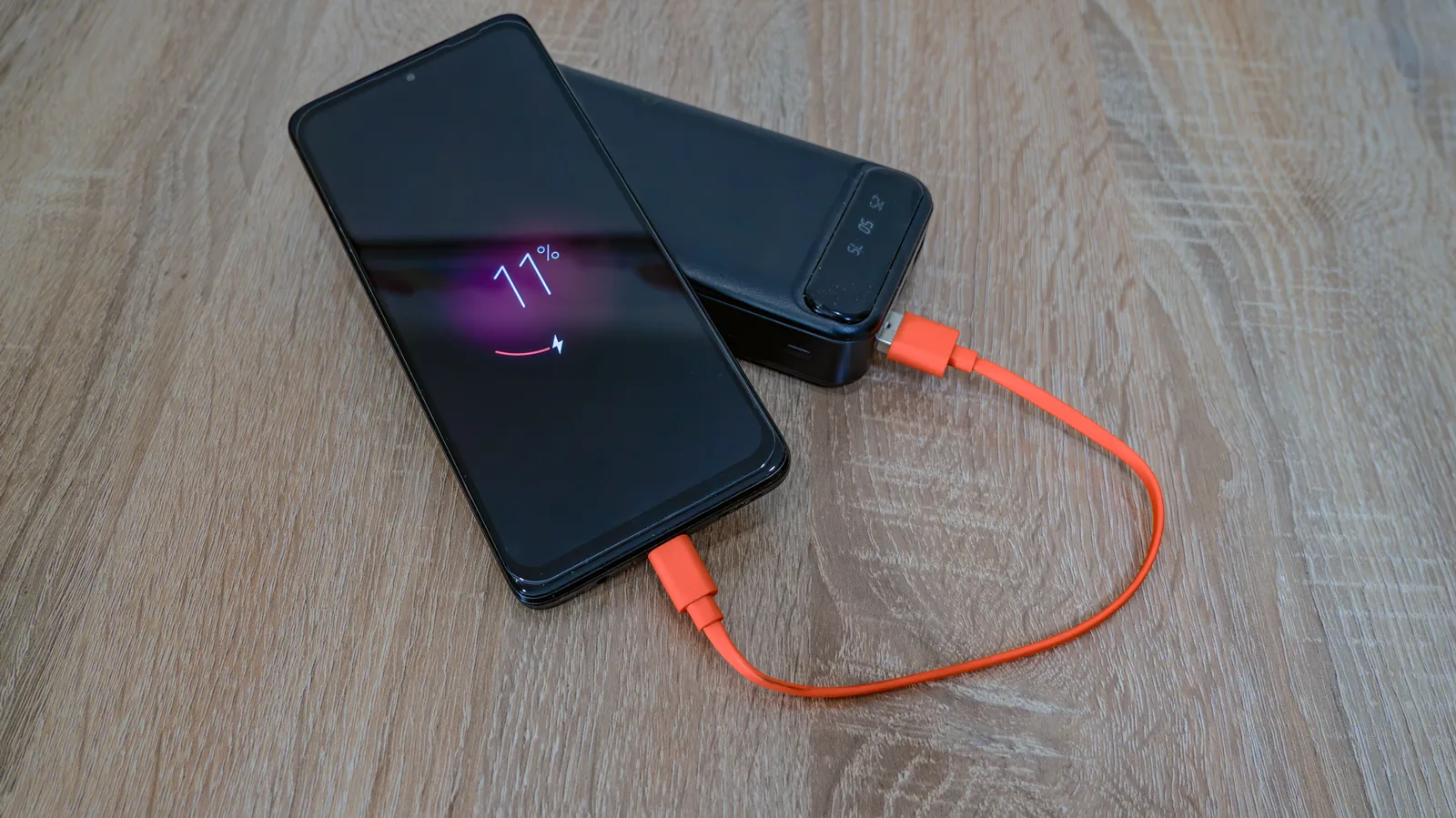
Medical devices first, one phone per family member second, a shared radio and light source third, everything else last. Register with your utility’s medical baseline program before you ever need it, drop phones to low-power mode the moment the power goes, and keep spare batteries stored separately from the devices that use them. A $25 power bank per person is the best dollars-to-usefulness ratio in this entire hobby.
In this guide
What gets power first
When battery life is limited, order matters. I run this priority list every outage, no exceptions, because it’s the difference between what actually matters and what feels urgent in the moment.
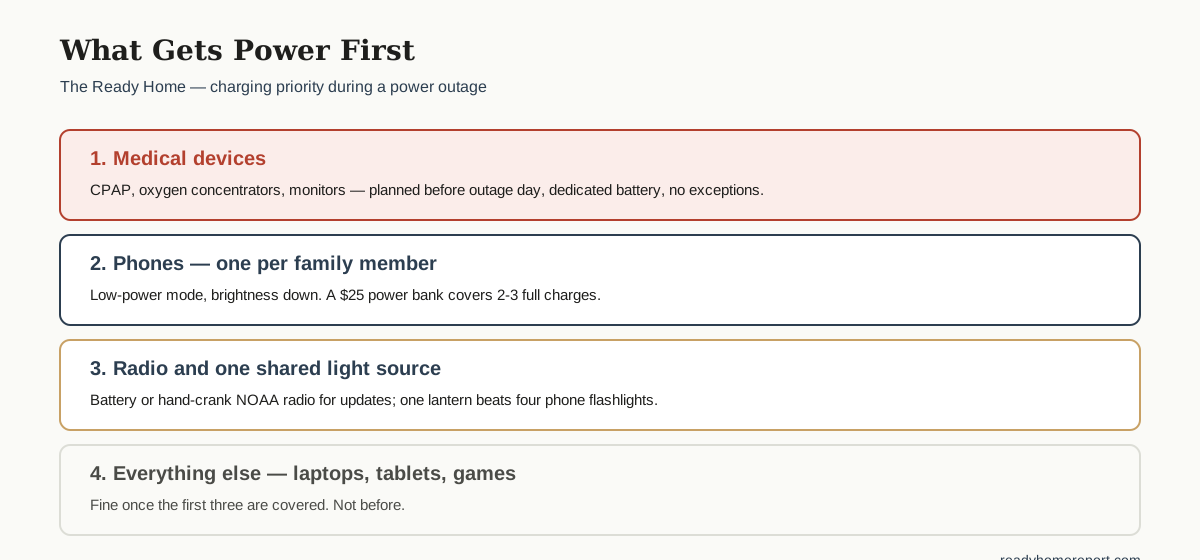
Medical devices: plan before outage day
If anyone in your home depends on powered medical equipment (oxygen concentrators, a CPAP with a documented health requirement, refrigerated medication), that planning happens before an outage, not during one, per Ready.gov guidance on power-dependent medical equipment. Register with your utility’s medical baseline program; most utilities have one, and it can prioritize your address for restoration. Have a battery solution sized specifically for the device, not shared with phone charging. See Generator Safety and Carbon Monoxide if you’re considering a generator as backup power for equipment that can’t go without. Know the nearest facility with power as a backup plan. Refrigerated medications follow the same 4-hour rule as food. Call your pharmacist today, while the power’s on, and ask the specific tolerance for yours. It’s free, and it’s a different answer for every medication.
Phones and the low-power habit
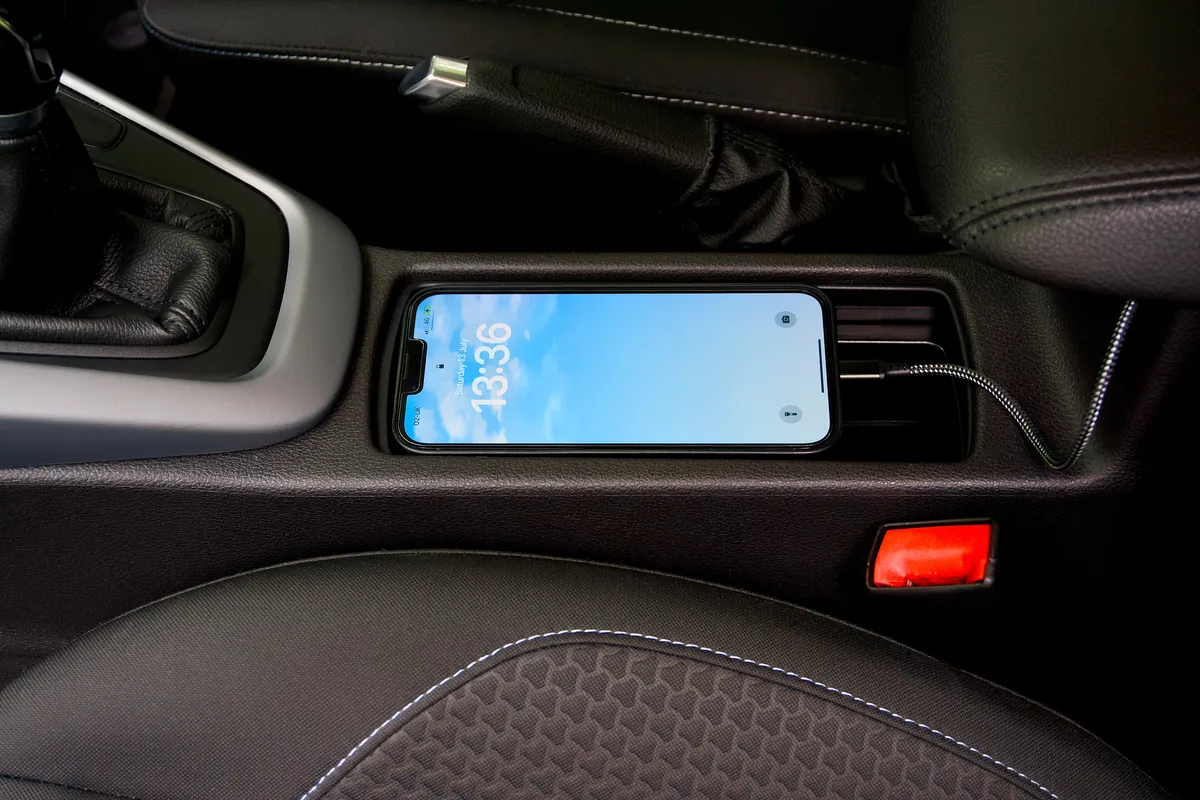
Drop to low-power mode the moment the power goes out, not after you’ve already burned through half the battery. Brightness down, background apps closed, and (this is the one nobody does) designate one family member to check updates and relay them, so four phones aren’t all burning battery doomscrolling the same outage map. Texts get through on a strained network more reliably than calls. A car with a full tank doubles as a charging station in a real pinch; most vehicles built since 2015 have USB ports built into the console.
Light: headlamps beat flashlights
Your hands are busy during an actual emergency. Ask me about cutting ceiling drywall at 2 a.m. holding a flashlight in my teeth. A headlamp frees both hands for the job that actually needs doing. Modern LED lanterns run for days on a single charge and light a whole room better than four people pointing phones at the ceiling. Candles are the traditional answer and the wrong one. They’re how “house fire” gets added to an already bad week.
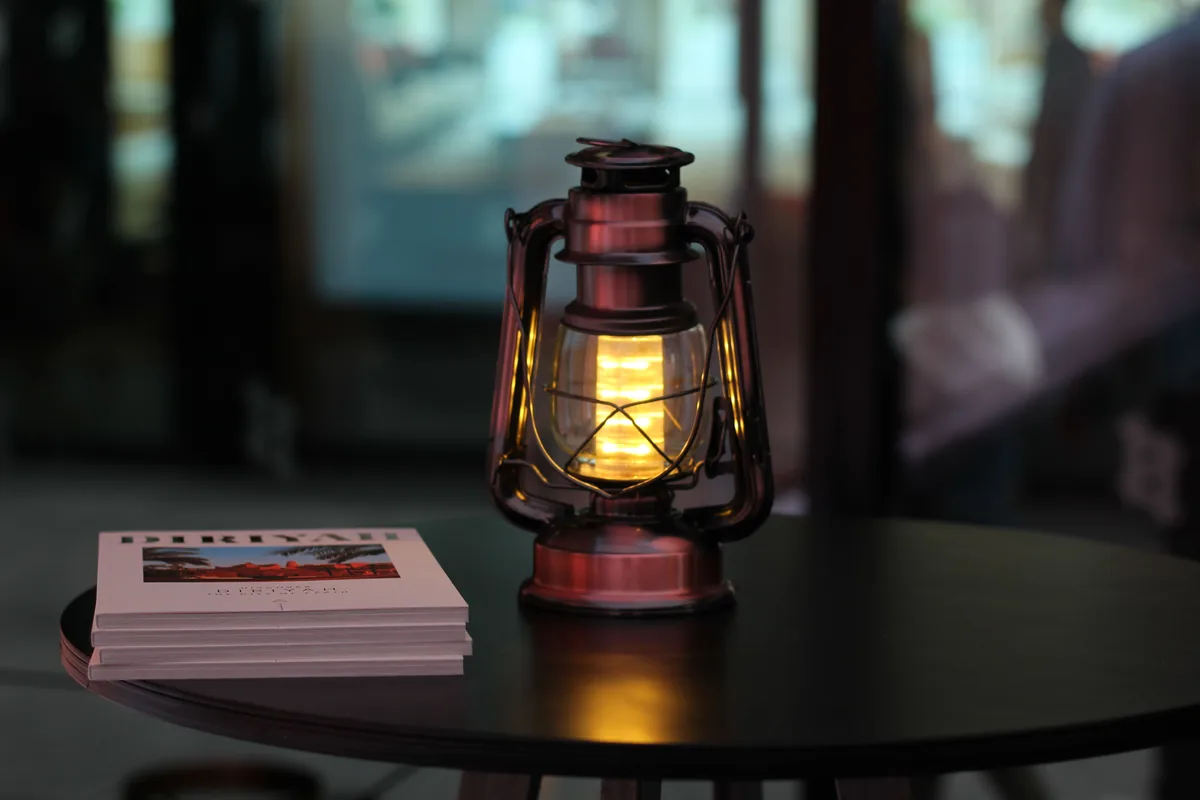
I keep one headlamp per family member plus two lanterns in the kit: about $70 total, and it’s the purchase Karen went from mocking to defending the first time we actually needed it.
FAQ
How do I keep my phone charged during a power outage?
Switch to low-power mode immediately, lower brightness, prefer texts over calls, and use a pre-charged power bank. A car can charge a phone too if the engine’s running.
What should I do if I depend on powered medical equipment during an outage?
Register with your utility’s medical baseline program in advance, have a dedicated battery backup sized for the device, and know the nearest facility with power as a fallback. Do this planning before an outage, not during one.
Are headlamps better than flashlights for emergencies?
Yes. They keep both hands free, which matters when you’re actually doing something (checking a breaker panel, cooking, tending to a repair) rather than just standing still.
Is it safe to use candles during a power outage?
It’s legal, but not recommended. Candles are a real fire risk, especially with kids, pets, or tired adults in the house. A battery lantern gives similar ambient light without the risk.
How long does a portable power bank keep a phone charged?
A standard $25-30 power bank typically provides 2-3 full phone charges before it needs recharging itself, which is usually enough to bridge a short-to-medium outage.
Full outage plan and the rest of the kit checklist are in the Power Outage Guide.
This article is for general preparedness education and follows official guidance (FEMA, CDC, CPSC, NWS, USDA) on safety points. In any emergency, instructions from local officials always come first.