Canned goods are cheap, need zero prep, and last 2-5 years per USDA guidance, the backbone of most family pantries. Freeze-dried food lasts 15-25+ years and weighs almost nothing, but needs hot water and time to rehydrate, and costs more per meal. MREs need no prep at all and work cold if needed, but they’re heavy (they still contain water) and most people don’t love the taste long-term. None of the three is objectively “best”. It depends on what you’re actually storing for.
This is the comparison where I see people overspend the most, buying a bucket of freeze-dried meals because a survivalist site said to, when canned chili their kids already eat would’ve solved the same problem for a third of the cost.
In this guide
The honest comparison
Here’s the tradeoff without a specific brand to sell you:
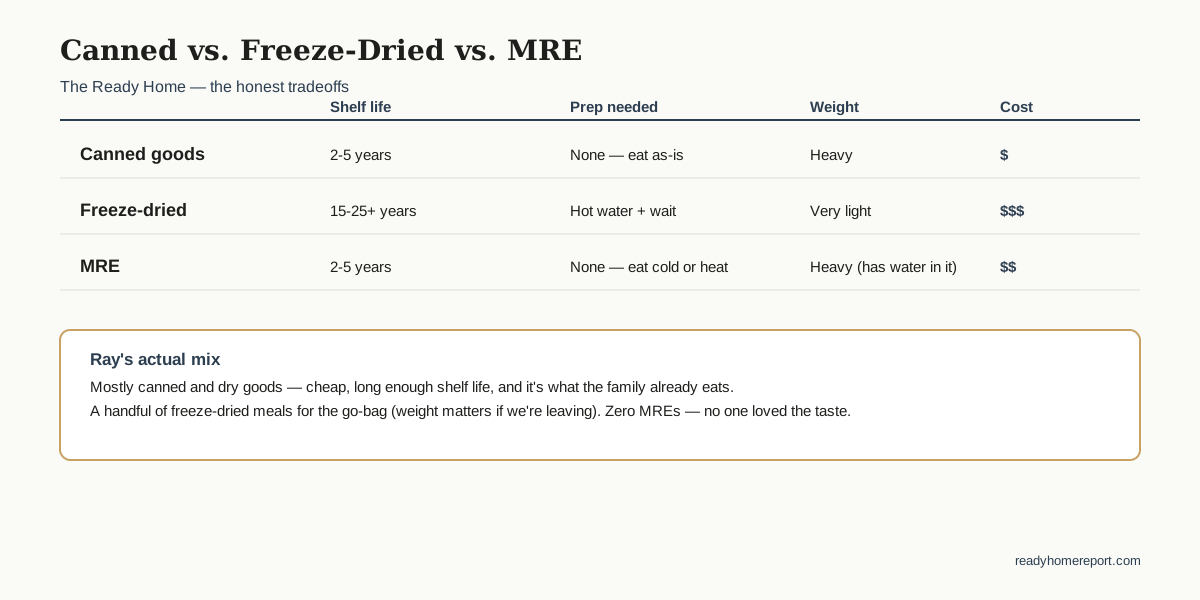
| Type | Shelf life | Prep time | Weight | Best for |
|---|---|---|---|---|
| Canned | 2-5 years | None | Heavy | Home pantry |
| Freeze-dried | 15-25+ years | Hot water, several minutes | Very light | Go-bag, car kit |
| MRE | 2-5 years | None (works cold) | Heavy (contains water) | No water available, need calories now |
Which one actually fits your situation
For the pantry at home, canned and dry goods win for most families: cheap, long enough shelf life for realistic rotation (see the FIFO rotation system for keeping it fresh), and it’s food people already eat, so nothing goes to waste even if you never need it for an emergency. For a go-bag or car kit, where weight matters and you might not have time or fuel to cook, freeze-dried earns its higher price: pack light, add hot water, done. MREs make the most sense for a specific niche: no water available to rehydrate anything and no safe way to cook without power, and you need calories now, cold, no prep. For most suburban family situations, that specific gap rarely comes up.
What’s actually on our shelf
Mostly canned and dry goods, because that’s what actually gets eaten and rotated instead of sitting for three years. A handful of freeze-dried meals live in the go-bags specifically, where the weight difference matters if we’re leaving on foot or in a packed car. Zero MREs, close to it. I bought a case of 12 once to test them, and 9 are still sitting in the garage because nobody in this house, including me, wanted to eat them twice.
FAQ
Is freeze-dried food better than canned food for emergencies?
Not universally. Freeze-dried lasts far longer and weighs less, which matters for a go-bag, but canned food is cheaper and needs zero prep, which makes more sense for a home pantry.
How long do MREs last compared to canned food?
Similar shelf life, roughly 2-5 years depending on storage temperature. MREs need no cooking at all, but they’re heavier than canned food because they still contain water.
What emergency food has the longest shelf life?
Freeze-dried food, typically 15-25 years or more when properly sealed, the longest of the three common options.
Do I need MREs, freeze-dried food, and canned food, or just one?
No. Most families don’t need all three. Canned and dry goods cover a home pantry well; freeze-dried is worth adding for a lightweight go-bag if you want it; MREs are the narrowest case, worth skipping unless you specifically need cold, no-prep, no-water calories.
Why don’t people like MREs long-term?
Repetitive flavors, a texture most people don’t love, and a calorie density built for active military use, not a comfortable family meal. All reasons a case tends to sit mostly untouched once the novelty wears off.
Full pantry-building guide is in The 14-Day Pantry.
This article is for general preparedness education and follows official guidance (FEMA, CDC, CPSC, NWS, USDA) on safety points. In any emergency, instructions from local officials always come first.