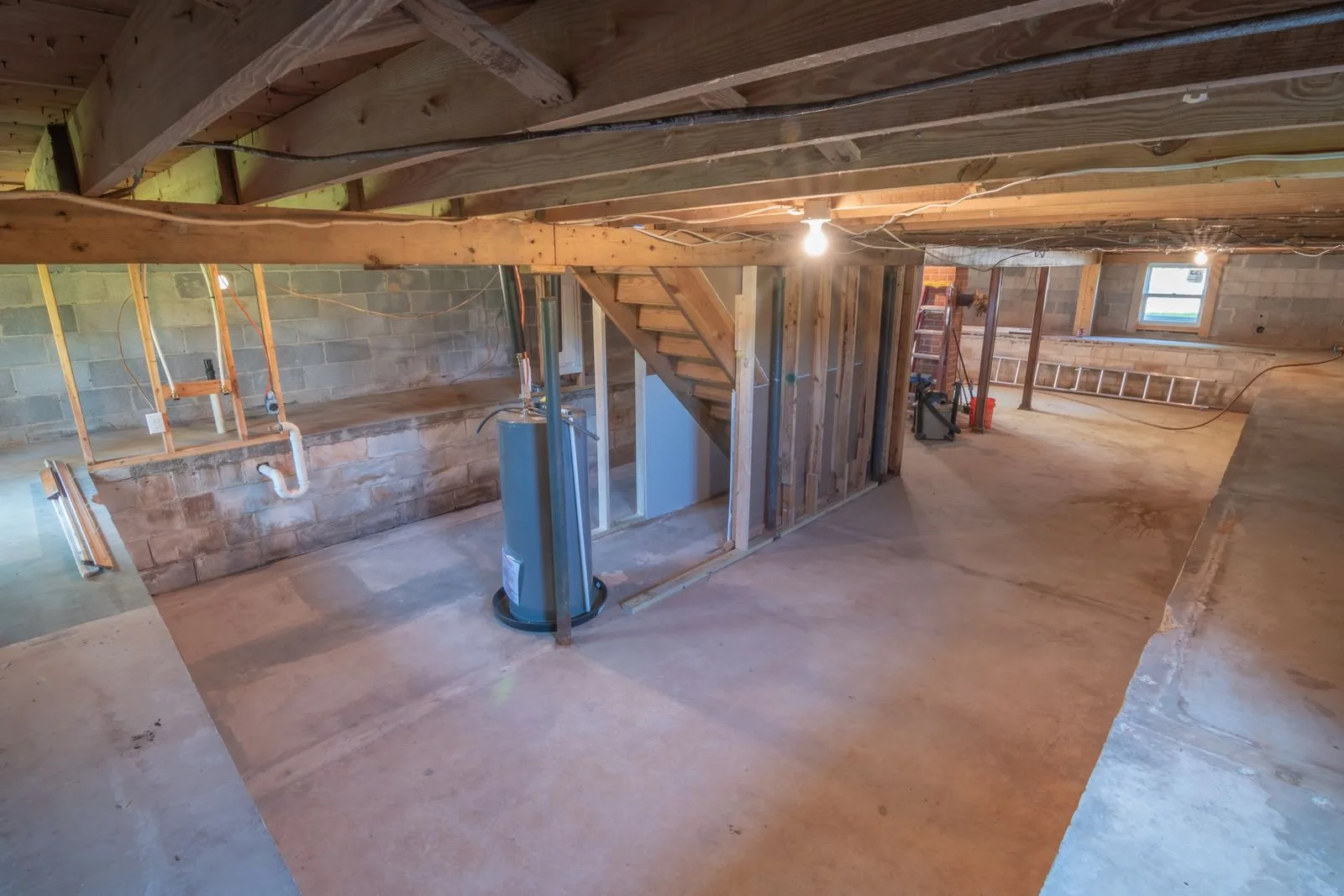
A sump pump battery backup is a unit that plugs in between your existing pump and the wall, charges a deep-cycle battery while the power’s on, and automatically switches your pump to that battery the instant power drops: no manual step, no delay. It buys anywhere from a few hours to a couple of days depending on how hard the pump has to work, and it matters because the storms that knock your power out are often the exact same storms filling your basement.
That overlap is the whole problem. A sump pump failing from old age is bad luck. A sump pump failing because the storm that’s flooding your yard also killed the grid is the single most predictable equipment failure in this entire readiness plan. The two things happen together, on purpose, because they share a cause. Uri never flooded our basement. This section comes from the professional side of twenty years in facilities, not a personal flood story, and I’d rather say that plainly than manufacture one.
How it actually works
Your primary pump keeps doing its job on regular power. The backup unit sits inline, silently charging its battery. When the power cuts, the switch to battery happens in milliseconds: no interruption the pump itself would notice, and definitely nothing you have to do at 3 a.m. in a thunderstorm. Some systems even monitor and text-alert you if the primary pump fails for reasons that have nothing to do with power, which is a second, unrelated failure mode worth having covered anyway.
How long it actually lasts
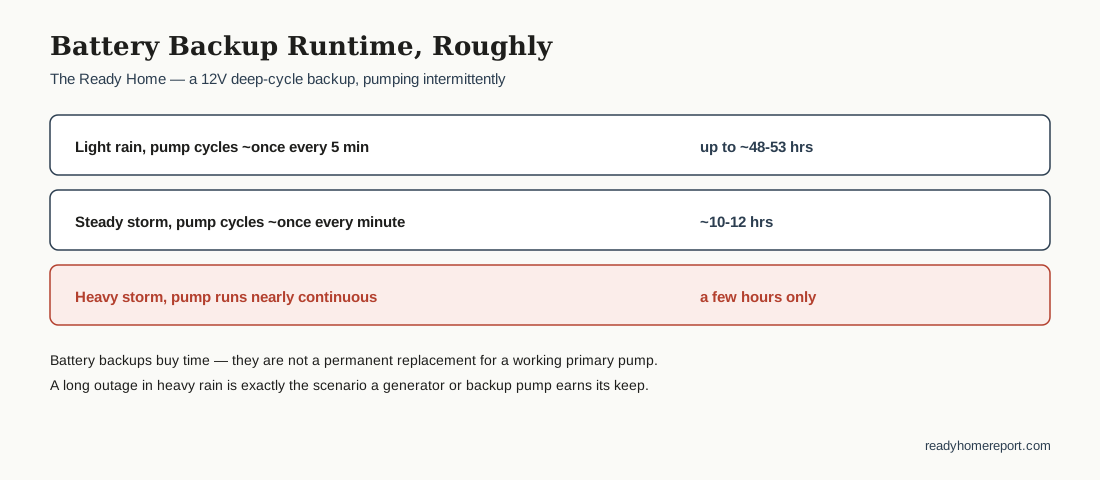
Runtime depends entirely on how often the pump has to cycle, which depends on how much water is coming in. Light, occasional rain with the pump cycling once every five minutes or so can stretch a good 12V deep-cycle battery close to two days. A serious storm with the pump running nearly continuously can drain the same battery in a few hours. That gap matters for planning: a battery backup is genuinely enough for most short outages, but it is not a substitute for a generator or standby power if you live somewhere that floods hard and loses power for multi-day stretches.
What to actually buy
Three things matter more than brand:
- Size it to your pump: matched to horsepower and voltage; most residential pumps are 1/3 to 1/2 HP
- Deep-cycle marine or AGM battery: not a car battery, which isn’t built for slow, repeated drain-and-recharge cycles
- Battery-health monitor or alert, if your budget allows: a backup that’s quietly died is worse than not having one, since you’ll assume you’re covered
Maintenance, because gear you don’t test is gear you don’t have
Test the battery under an actual load twice a year, ideally alongside the rest of your Tuesday Drill. Most backup batteries have a useful life of 3-5 years (the figure widely cited across plumbing and battery manufacturer guidance) even with proper maintenance; mark the install date on it with tape and a marker, the same system I use for water rotation, so replacement isn’t a guess. If the same storm that’s testing your sump pump is also cutting power to the rest of the house, the frozen pipes guide and the detector guide cover the other two systems worth checking at the same time.
FAQ
Do I need a sump pump battery backup if I never get water in my basement?
If you have a sump pump at all, you have a basement that’s known to take on water under some conditions. A backup is worth it precisely for the storm that’s worse than usual.
How long does a sump pump battery backup last?
Anywhere from a few hours to roughly two days, depending on how often the pump cycles, which depends on rainfall. Heavy, sustained rain drains it fastest.
Can I use a portable power station instead of a dedicated battery backup?
Yes, if it’s sized to handle the pump’s startup surge, which is higher than its running wattage. Check the specific unit’s surge rating against your pump before relying on it.
How much does a sump pump battery backup cost?
Most residential systems run $150-$400 depending on battery capacity and whether it includes a monitoring/alert feature. A licensed plumber can also install one during a routine sump pump service call.
How do I know if my sump pump backup battery is actually working?
Test it under real load twice a year by unplugging the unit from the wall while the pump is running, or use a model with a built-in monitor that alerts you automatically if the battery fails a self-check.
This is one piece of protecting your house during a power outage, alongside surge protection for the rest of your electronics.
This article is for general preparedness education and follows official guidance (FEMA, CDC, CPSC, NWS, USDA) on safety points. In any emergency, instructions from local officials always come first.