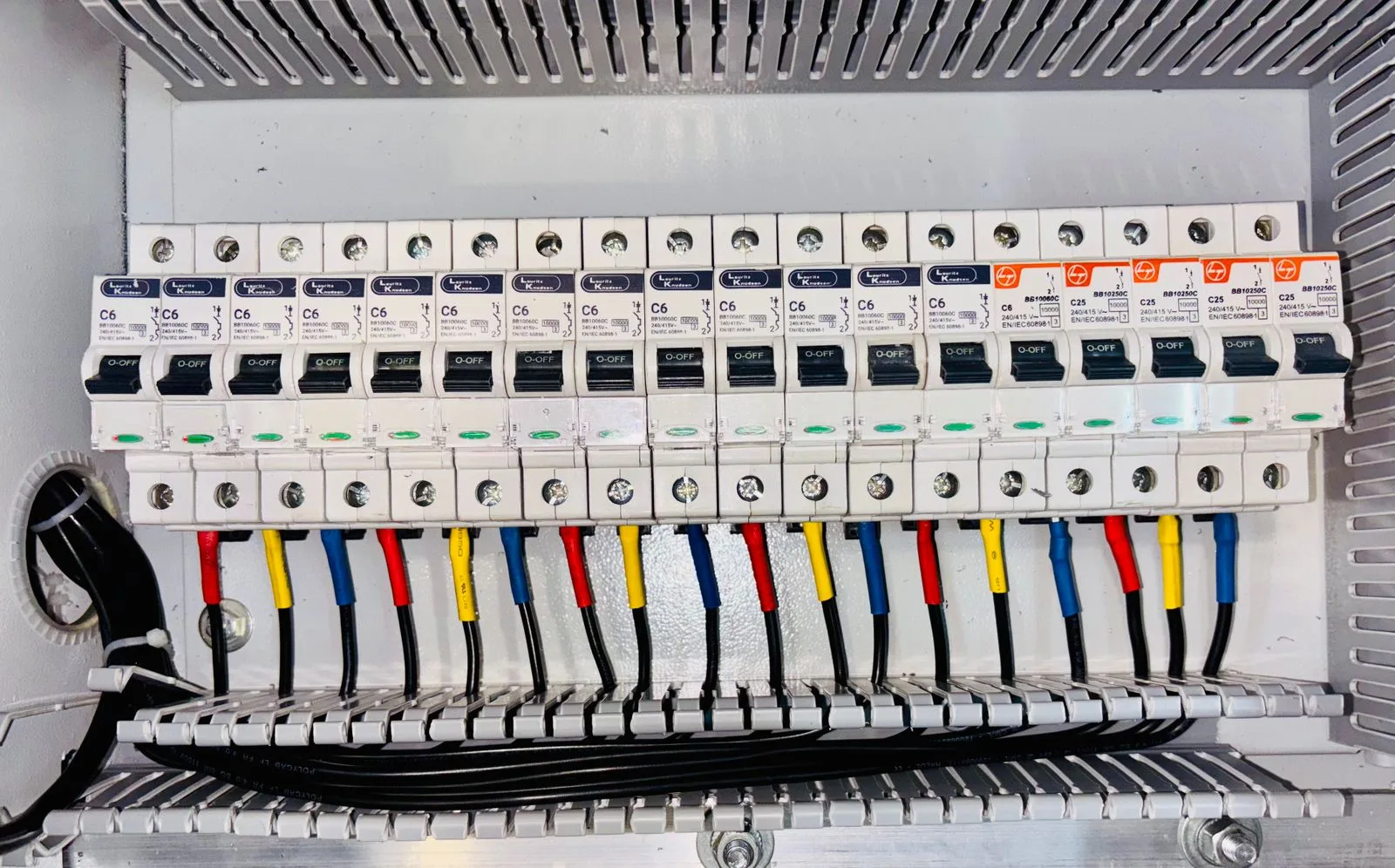
Yes, for most homeowners. A whole-house surge protector installs at your electrical panel, costs roughly $300-$800 including a licensed electrician’s labor, and covers every circuit in the house, not just what happens to be plugged into a power strip. It won’t stop a direct lightning strike, but it handles the far more common threat: the surge from the grid snapping back on after an outage, which is exactly the moment your entire house’s worth of electronics gets hit at once.
That timing is what makes this relevant to a readiness site instead of just a general electrician’s pitch. The outage itself doesn’t usually hurt your electronics. The return of power does, and that’s a moment every outage eventually reaches.
What it actually protects against
An average home experiences around 20 small power surges a day, per commonly-cited electrician estimates, and most of them come from inside the house: a compressor kicking on, an AC cycling. Your appliances mostly shrug those off. The surge that costs money is bigger: a nearby lightning strike, a utility switching operation, or the whole neighborhood’s power being restored simultaneously after an outage, which briefly spikes voltage as the grid stabilizes.
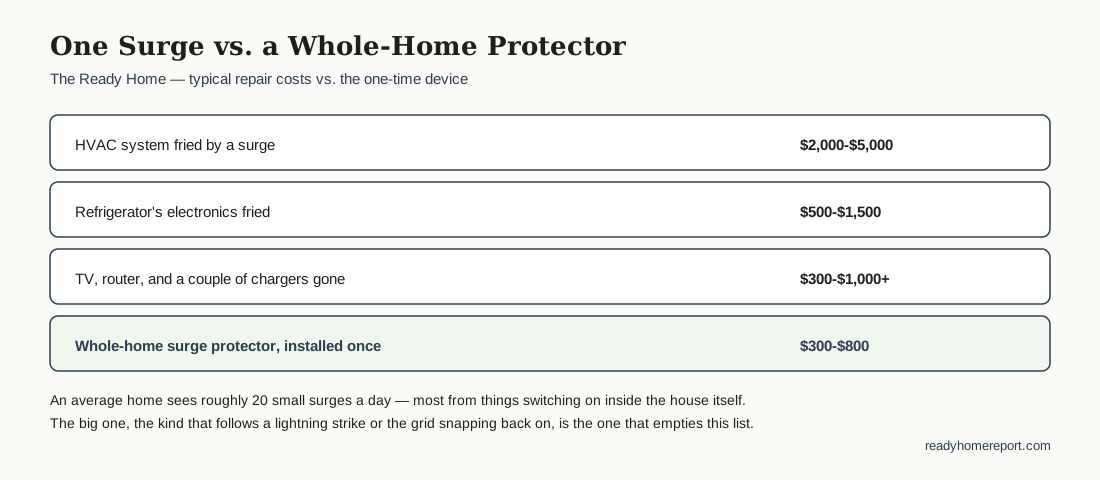
| Fixing it after | Typical cost |
|---|---|
| Fried HVAC system | $2,000-$5,000 |
| Refrigerator control board | $500-$1,500 |
| TV, router, chargers, garage opener (combined) | $300-$1,000+ |
| Whole-house surge protector, installed once | $300-$800 |
What to look for if you’re buying one
Two specs matter more than brand or feature count: UL 1449 certification (the actual safety and performance standard for surge protective devices: confirm it’s listed, not just “surge protection” marketing language) and a low Voltage Protection Rating (VPR), sometimes called clamping voltage: 400V or lower is a reasonable target, and lower is better. A higher joule rating helps the unit absorb more cumulative surges over its life, but VPR and UL 1449 certification matter more than chasing the biggest joule number on the box.
Whole-house vs. the power strip you already own
A plug-in surge protector only defends what’s plugged into it. Your TV is covered, your hardwired oven, your ceiling fans, your HVAC system, and your water heater are not. A whole-house unit wired at the panel covers everything at once, including the hardwired stuff a power strip physically can’t reach. The two aren’t actually competing: a lot of electricians recommend both: the whole-house unit as the first line of defense, plug-in protectors on your most sensitive individual electronics as a second layer.
The install
This is licensed-electrician work. It ties directly into your panel, and that’s not a DIY job regardless of how handy you are. Improper installation can make the unit ineffective or dangerous. Installation itself typically runs $100-$300 on top of the device cost, and most electricians can do it in under an hour during a routine panel inspection, the same visit where a sump pump battery backup often gets installed, since both jobs live at the panel.
FAQ
Does a whole-house surge protector protect against lightning?
It reduces damage from a nearby strike traveling through the power lines, but it won’t fully protect against a direct strike on the house itself: nothing electrical really does.
Do I still need power strips with surge protection if I have a whole-house unit?
Many electricians recommend both: the whole-house unit as the primary defense, individual protectors on your most sensitive electronics as a backup layer.
How long do whole-house surge protectors last?
Most are rated for 5-10 years or a certain number of significant surge events, whichever comes first. Some models have an indicator light showing whether they’re still active.
What’s the difference between joules and VPR when buying a surge protector?
Joules measure total absorbed energy over the unit’s life; VPR (clamping voltage) measures how much voltage still gets through during a surge. A low VPR and UL 1449 certification matter more than a high joule number alone.
Can I install a whole-house surge protector myself?
No. It ties directly into your electrical panel and requires a licensed electrician. Improper installation can make the device ineffective or create a safety hazard.
Part of protecting your house during a power outage. Related: what actually happens electrically when the power comes back on.
This article is for general preparedness education and follows official guidance (FEMA, CDC, CPSC, NWS, USDA) on safety points. In any emergency, instructions from local officials always come first.