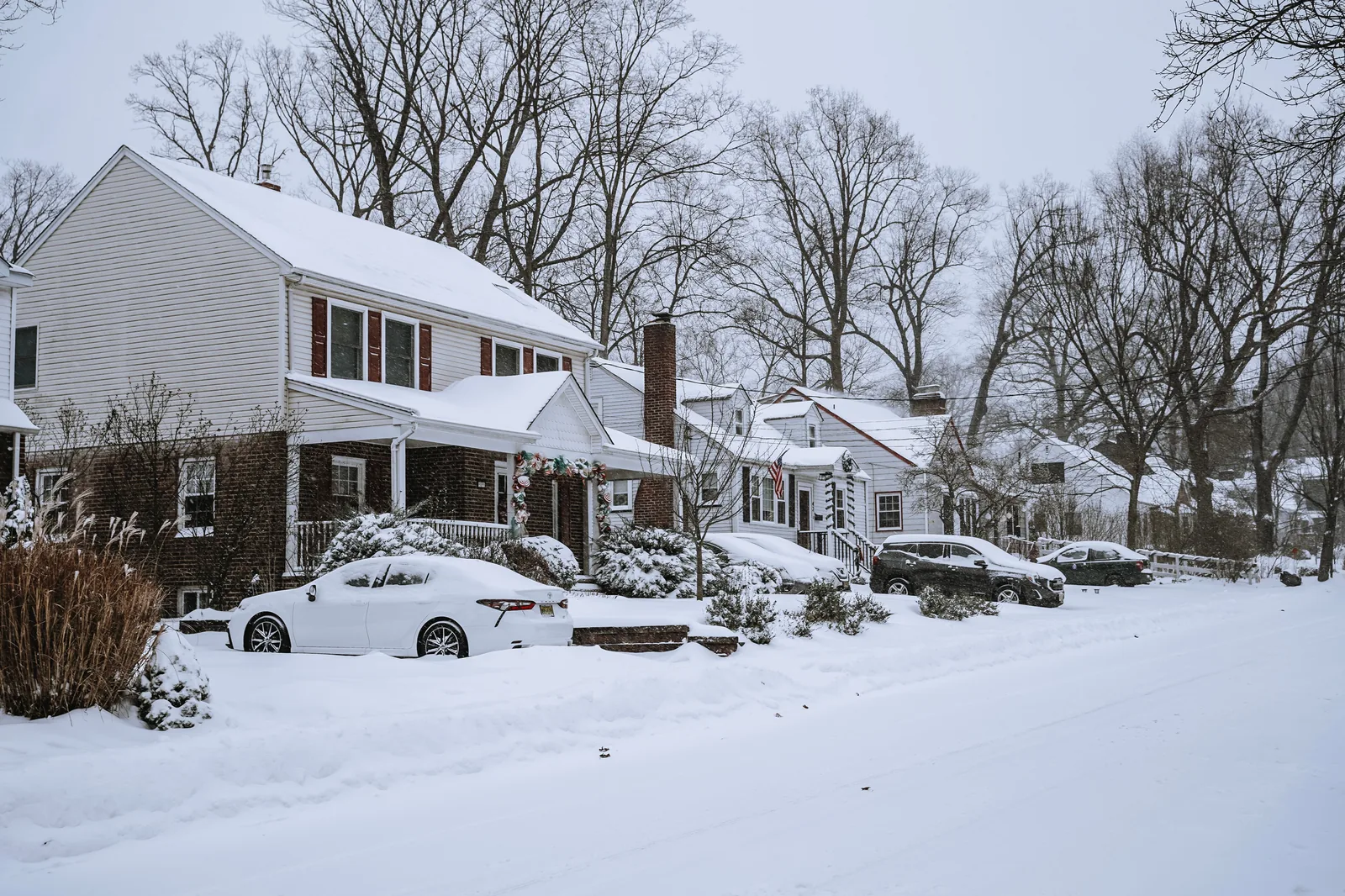
Let faucets on exterior walls drip slowly, open the cabinet doors under sinks so warm air reaches the pipes, and if the power’s been out more than a few hours in freezing temperatures, know how to shut off your main water valve and drain the lines as a last resort. If it’s already burst, shut off the main immediately and call a plumber. Don’t wait for power to come back to deal with running water inside your walls.
Day four of Winter Storm Uri, 2 a.m., I’m on a ladder cutting soaked drywall out of my own living room ceiling by flashlight, and the flashlight is running on batteries pulled from my daughter’s Xbox controller. Twenty years managing building emergency systems, and I hadn’t done the one thing that would’ve prevented the whole mess: I never let a faucet drip.
Why dripping water actually works
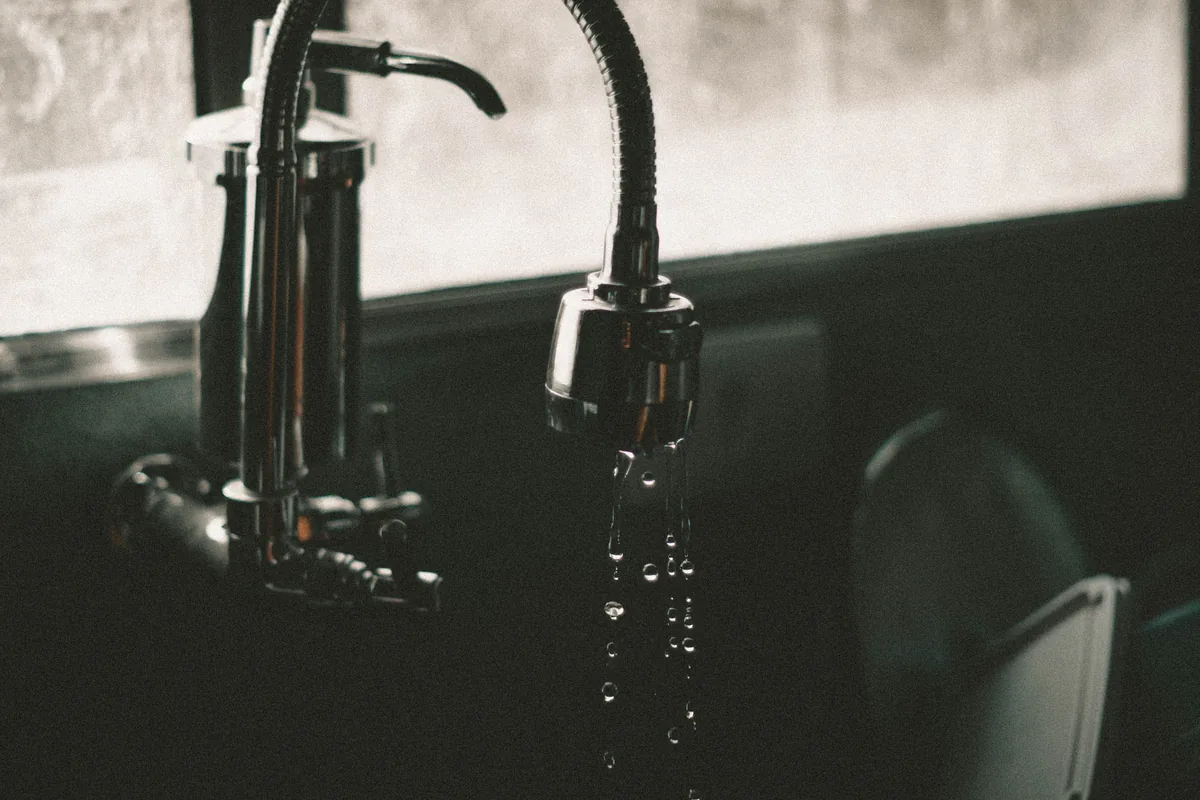
Moving water is much harder to freeze than standing water, and a slow drip also relieves pressure in the pipe. Pressure buildup between an ice blockage and a closed faucet is usually what actually cracks the pipe, not the ice itself. You don’t need a stream, just a slow, steady drip from both the hot and cold sides, since they’re separate lines and both are at risk. Copper pipe cracks more readily under this pressure than PEX, which flexes slightly, but PEX still fails at its rigid fittings and connectors, so the dripping rule applies regardless of what’s actually running through your walls.
Warm air where the pipes actually are
Pipes against exterior walls, in unheated basements, attics, garages, and crawl spaces are the ones at risk. Interior pipes surrounded by heated living space rarely freeze. Open the cabinet doors under every kitchen and bathroom sink on an exterior wall so whatever warmth is left in the house reaches them. If you know a hard freeze is coming before the power even goes out, this is worth doing preemptively, not just after the lights die.
Before the outage, if you can
If a winter storm is in the forecast and you know an outage is likely, insulate exposed pipe runs in the attic, basement, and crawl space with foam pipe sleeves. They cost a few dollars each at any hardware store and take an afternoon. Turn your thermostat up a few degrees ahead of the storm, too; starting from a warmer baseline buys you meaningfully more time once the heat actually stops.
When to drain the lines
If the power’s been out for more than four or five hours in below-freezing temperatures and you don’t expect it back soon, draining is the safer move:
- Shut off the main water supply valve.
- Open the highest faucet in the house first, then the lowest, to let gravity clear the lines.
- Leave faucets open until water stops running.
This leaves only a small amount of water in the lines that has much less room to cause damage even if it does freeze. This is a once-a-winter skill worth knowing before you need it. Find your main shutoff valve today, while the water’s still running, so you’re not hunting for it by flashlight.
If a pipe already burst
Shut off the main water valve first, before anything else. That stops the flooding regardless of what’s still frozen elsewhere in the system. Then call a plumber. Don’t try to thaw a pipe with an open flame, ever; that’s a house fire layered on top of a plumbing problem. Document the damage with photos before cleanup starts, for the insurance claim, which is exactly what belongs in the folder. A burst pipe and a dead sump pump share the same root cause (no power during a bad storm), so check the sump pump guide if your basement took on water at the same time.
FAQ
How cold does it have to be for pipes to freeze during a power outage?
Pipe freezing risk generally starts once temperatures drop below about 20°F outside, faster for pipes in unheated or exterior-wall locations, though a long enough outage can still cause problems at milder temperatures.
Does dripping the faucet waste a lot of water?
A slow, steady drip uses a small, reasonable amount of water compared to the cost of a burst pipe. It’s a trade worth making every time.
Should I turn off my water heater during a power outage?
Electric water heaters don’t run without power anyway. Gas water heaters can generally be left as-is unless you’re draining the whole system; check your specific unit’s manual if you’re unsure.
Are PEX pipes less likely to freeze and burst than copper?
PEX flexes slightly under pressure and tolerates freezing better than rigid copper, but it still fails at fittings and connectors. The same prevention rules apply to both.
What temperature should I set my thermostat to before a winter storm?
A few degrees above your normal setting is enough. The goal is a warmer starting baseline so the house takes longer to reach freezing once the heat actually stops.
This is one piece of the bigger picture in how to protect your house during a power outage, and it pairs directly with staying warm without power. The same cold snap threatens both your family and your plumbing at once.
This article is for general preparedness education and follows official guidance (FEMA, CDC, CPSC, NWS, USDA) on safety points. In any emergency, instructions from local officials always come first.